Deerfield Beach Vacation Condos: What Buyers Should Know
March 24, 2026
March 24, 2026
Craving warm sand, sunrise pier walks, and an easy lock-and-leave retreat you can enjoy all winter? If you are eyeing a condo in Deerfield Beach, you are not alone. This stretch of Broward County blends year-round beach energy with a compact, walkable pocket right by the pier. In this guide, you will learn how the lifestyle works, what typical buildings offer, how seasonality affects rentals, and the key documents and rules to check before you buy. Let’s dive in.
Deerfield Beach centers around its famous pier and public beach, with a lively seaside strip of restaurants and casual stops. The city overall scores as car dependent, but the few blocks around the pier and A1A feel much more walkable. Your experience will vary by building, so think in terms of the exact block you choose.
The 976-foot Deerfield Beach International Fishing Pier is the city’s signature amenity. You can buy sightseeing or fishing passes, grab bait and snacks at the concession, and enjoy year-round programs and events. Many condo listings highlight being a few hundred yards from the pier, because that short stroll shapes daily life. City beach access is public, with posted rules and paid parking at municipal lots.
Deerfield Beach as a whole rates car dependent by Walk Score. That broad number can be misleading if you focus on the pier area, where you can walk to the sand, coffee, and casual dining. If a car-light lifestyle matters to you, target buildings along the A1A corridor and near NE 20th–21st Avenue.
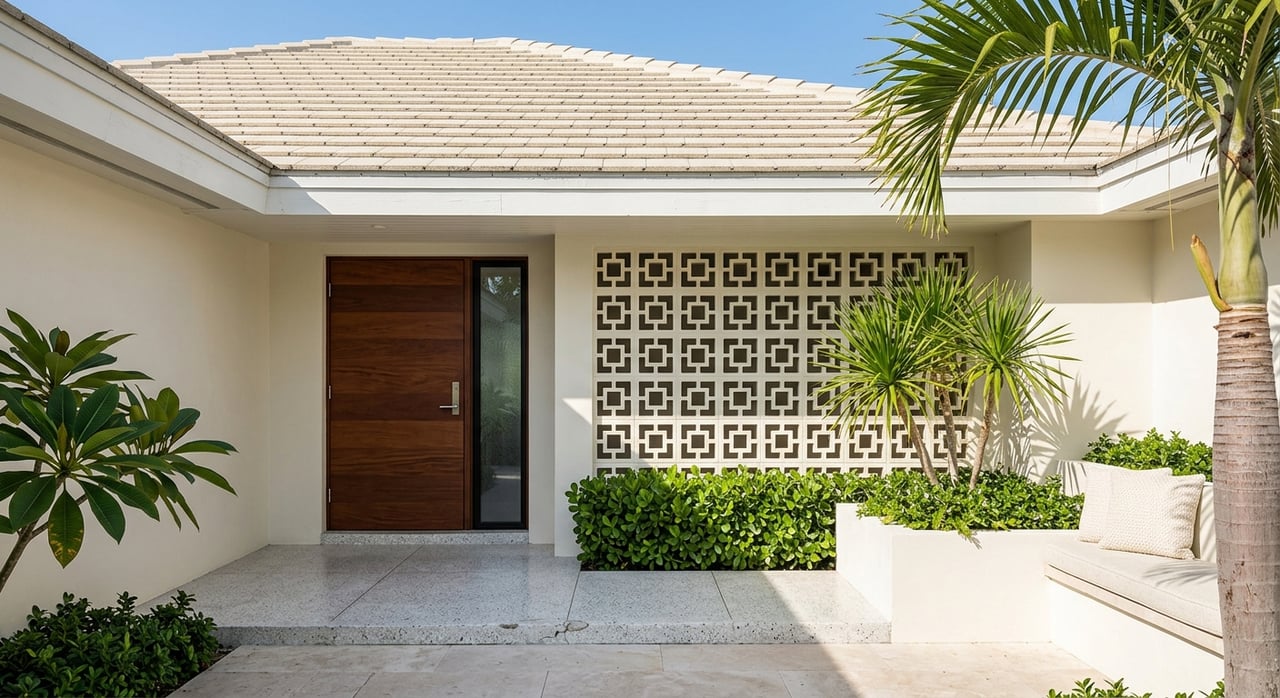
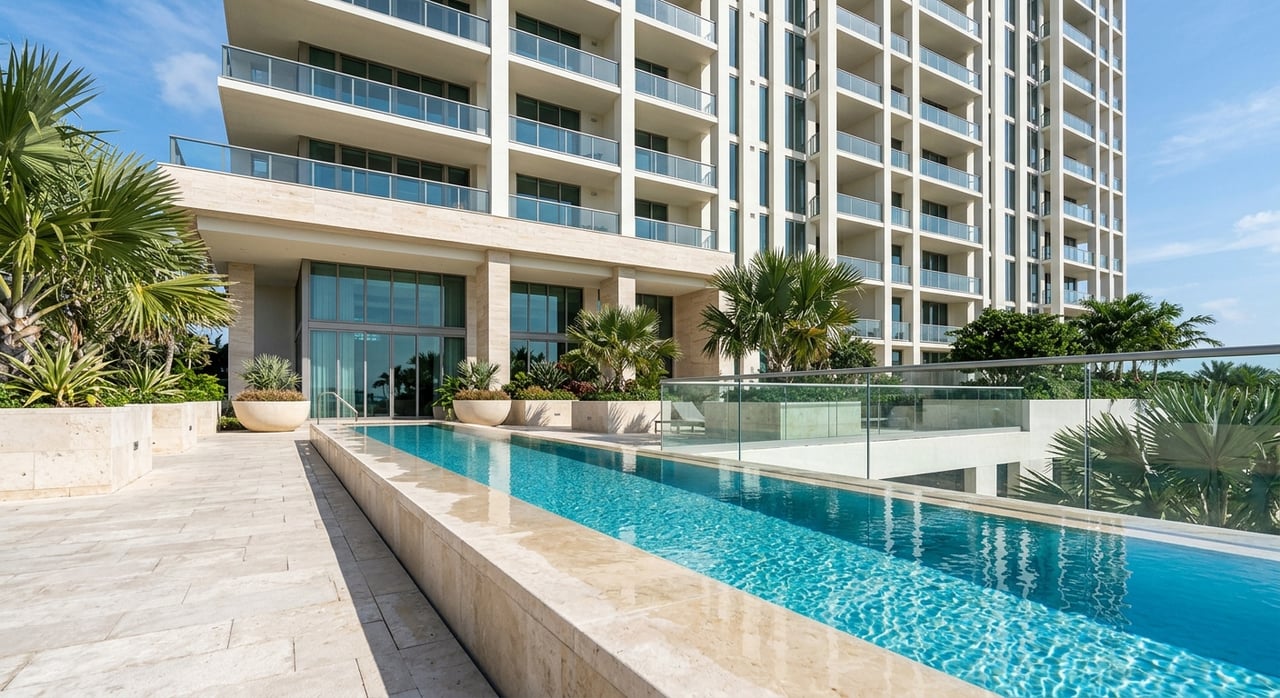
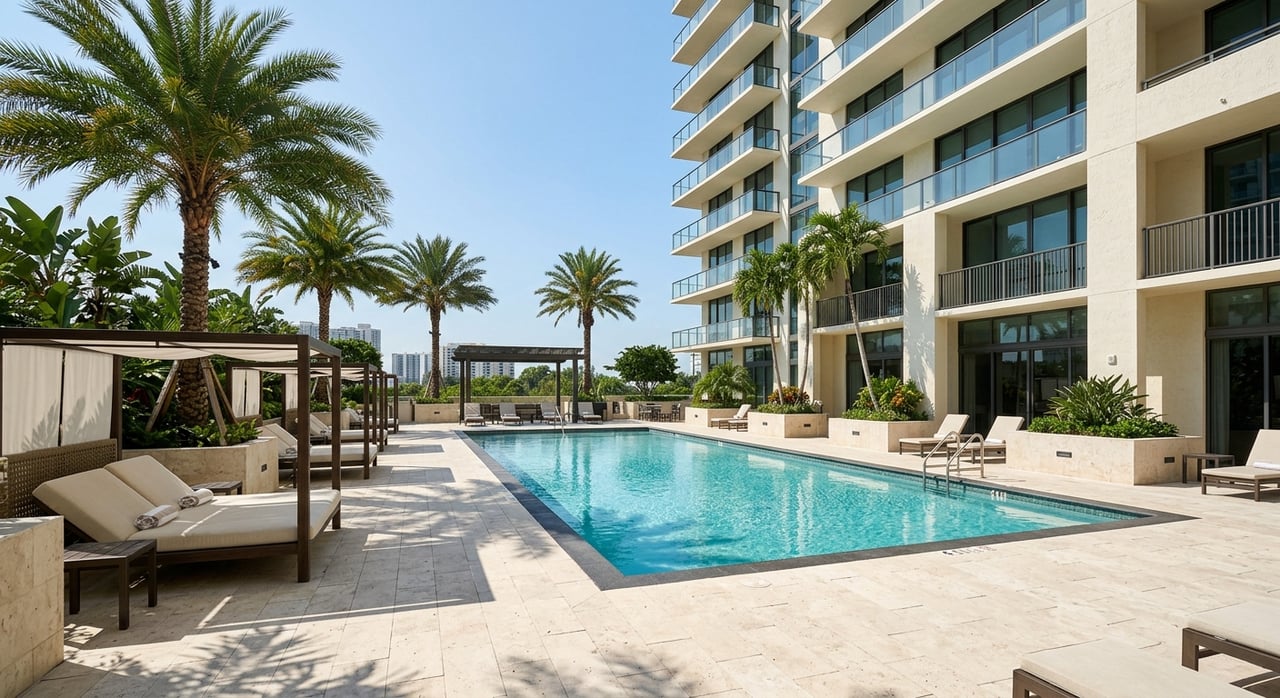
You will see a mix of oceanfront high-rises and mid-rise or garden-style buildings a short walk from the beach. Oceanfront and newer luxury towers command premium prices, while inland units tend to be more affordable. Common amenities include a pool and sundeck, fitness room, elevator service, assigned or covered parking, on-site or contracted management, laundry rooms or in-unit hookups, and secured access. Higher-end oceanfront buildings may add concierge services, enhanced social spaces, and beachfront cabanas.
For county context, Broward’s recent condo and townhome median sale price was about 250,000 dollars in January 2026, according to the Miami REALTORS county report. City-level figures can vary by source, and oceanfront properties in particular trade well above the county median. Association fees vary widely. You might see roughly 300 to 650 dollars per month in many mid-rises, with fees in larger oceanfront buildings often 1,000 dollars or more. Fees reflect what is covered, such as water, trash, building insurance, elevator service, pool and grounds maintenance, security, and reserves.
Deerfield Beach comes alive in the dry, winter months. Snowbird season typically runs November through April, with more visitors and stronger short-term demand. The city’s market report highlights strong visitation and activity during this window. Expect fuller restaurants, busier sidewalks, and competitive rental calendars in high season.
If you plan to rent your condo, start with two sets of rules. First, many condo associations limit or prohibit short-term rentals. You need to verify minimum lease terms, owner-occupancy requirements, and any waiting period after purchase before you can rent. Second, the City of Deerfield Beach requires registration for vacation rentals that are rented transiently more than three times a year for less than 30 days. Review the city’s vacation rental registration requirements and certificate-of-use checklist.
Tax note: Florida generally applies a 6 percent state sales and use tax to short-term lodging, and Broward County adds a 6 percent tourist development tax. Hosts are typically responsible for collecting and remitting the right taxes to the right agencies. Always confirm current rates and filing steps with the Florida Department of Revenue or your tax advisor.
Operationally, budget for cleaning and turnover, restocking, and platform commissions. Professional management in beach markets often runs 10 to 25 percent of gross rent. Many owners focus on renting only during peak months and use the property themselves at other times.
Before you buy, request the association’s recorded declaration and bylaws, current budget and financials, reserve information, the last year of meeting minutes, insurance certificates, and any notices of litigation or special assessments. Florida’s Condominium Act, Chapter 718 outlines the records that associations must make available to owners and prospective buyers. These documents show how the building is run and whether dues and reserves align with maintenance plans.
Florida law requires milestone inspections for condominium buildings that are three stories or more. The initial milestone inspection occurs when a building reaches 30 years of age, with repeat inspections every 10 years. A phase one visual inspection can lead to a phase two detailed inspection and recommended repairs. See the milestone inspection statute for the framework. Florida law also requires structural integrity reserve studies for buildings three stories or higher. Results can affect repair timelines, funding plans, and potential special assessments, so it pays to understand where your building stands.
Coastal Broward includes areas with mapped flood risk. Lenders may require flood insurance in certain zones, and coastal exposure influences pricing and availability for homeowners and condo-unit policies. Pull your property’s designation on Broward County flood maps and get a unit-level insurance quote early. Keep an eye on storm planning too. Atlantic hurricane season runs from June 1 through November 30, which shapes preparedness, insurance, and seasonal occupancy patterns.
If you plan to finance, ask your lender about the building’s warrantability under conventional or FHA standards. Project-level issues like low reserves, ongoing litigation, a high ratio of rentals, or missing documents can limit loan options or slow closings. Lender checks may include a review of budgets, reserves, insurance, and any inspection or engineering reports.
Use this quick checklist to compare buildings and avoid surprises:
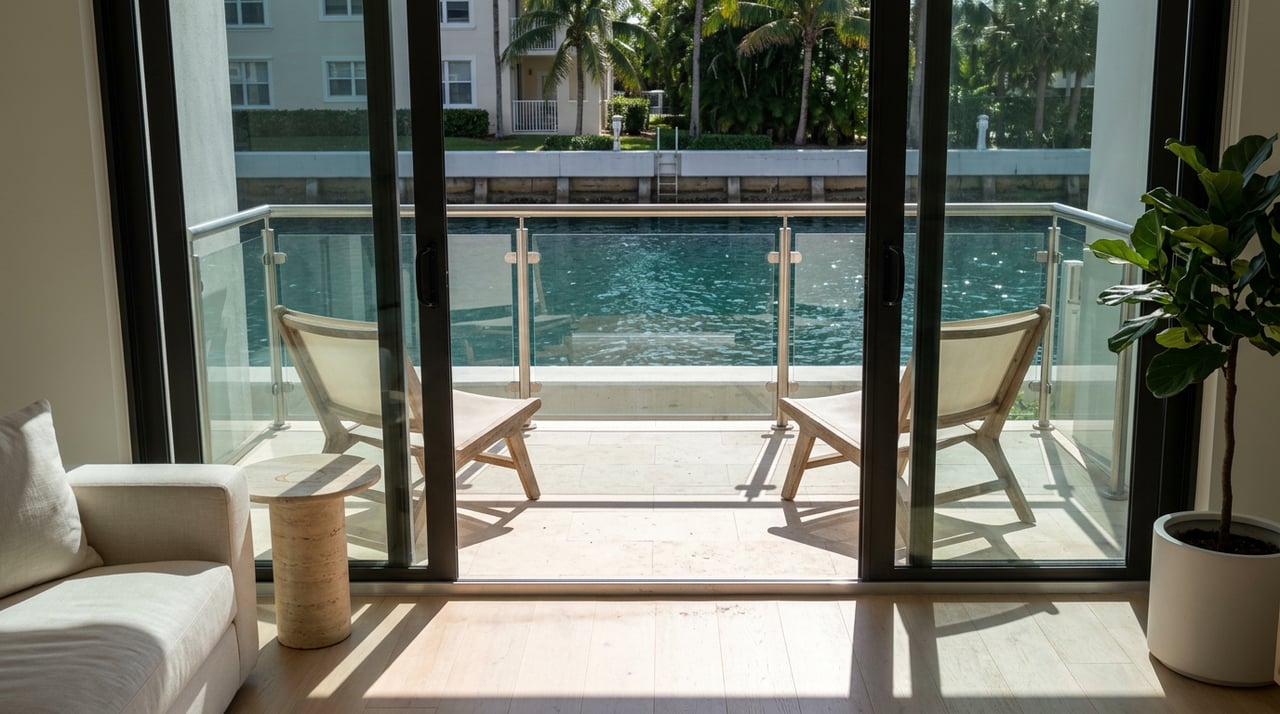
Owning a Deerfield Beach condo can deliver what you are dreaming about, morning coffee on the balcony, a relaxing walk to the pier, and a low-maintenance base for winter sun. The key is matching your lifestyle to the right building and understanding the practical pieces, from HOA budgets to milestone inspections, flood risk, and rental rules. With the right prep, you can enjoy the best of Deerfield’s beach scene while keeping costs and compliance in clear view.
If you want curated options, private previews, and white-glove guidance in Deerfield Beach and the surrounding coastline, connect with the Tinka Ellington Group for a private consultation.
Stay up to date on the latest real estate trends.





We are committed to guiding you every step of the way—whether you're buying a home, selling a property, or securing a mortgage. Whatever your needs, we've got you covered.

Luxury Presence
101 N Federal Hwy 5th Flr Boca Raton FL 33432