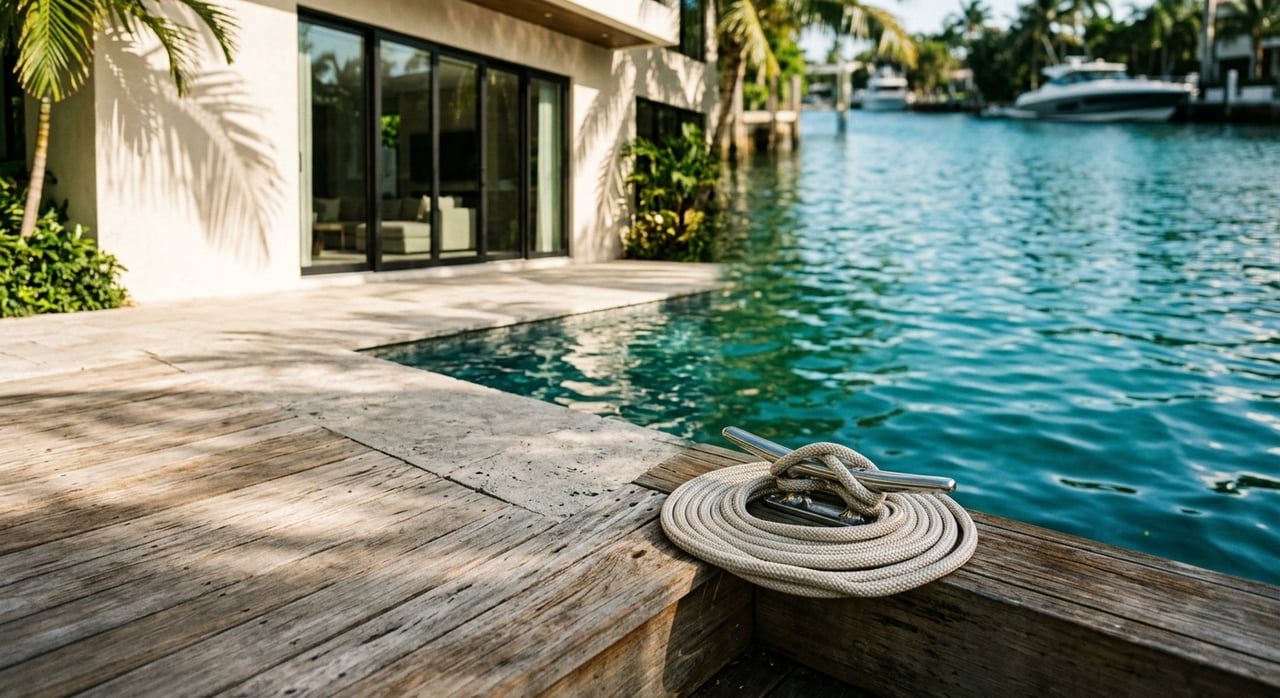
Planning To Sell A Waterfront Home In Lighthouse Point
July 9, 2026
July 9, 2026
Thinking about selling your waterfront home in Lighthouse Point? In this market, buyers are not just looking at bedrooms and finishes. They are also evaluating your dock, seawall, flood exposure, permit history, and how easily they can picture life on the water. If you want a smoother sale and stronger positioning, preparation matters long before your home goes live. Let’s dive in.
Lighthouse Point is a highly built-out waterfront city with a very specific appeal. According to the city, about 80% of residences are single-family homes, many sit along 18 miles of waterways, and more than 95% of the city is developed. That combination creates scarcity, which is a major part of waterfront value.
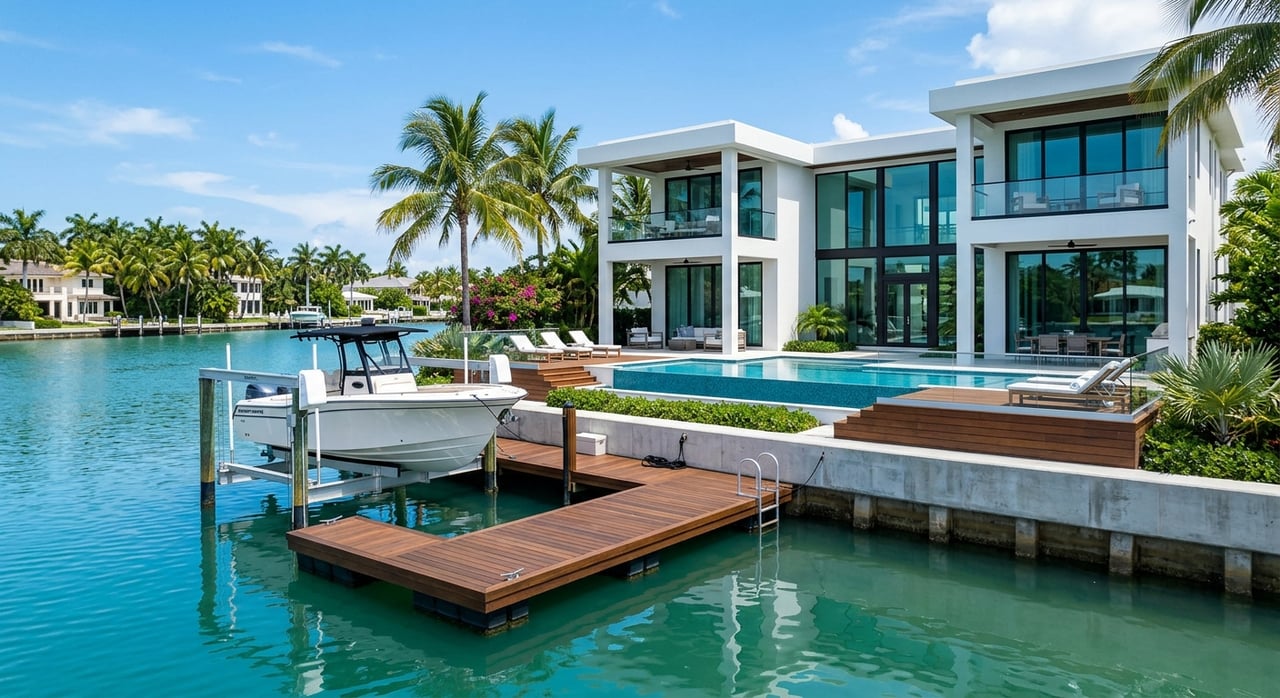
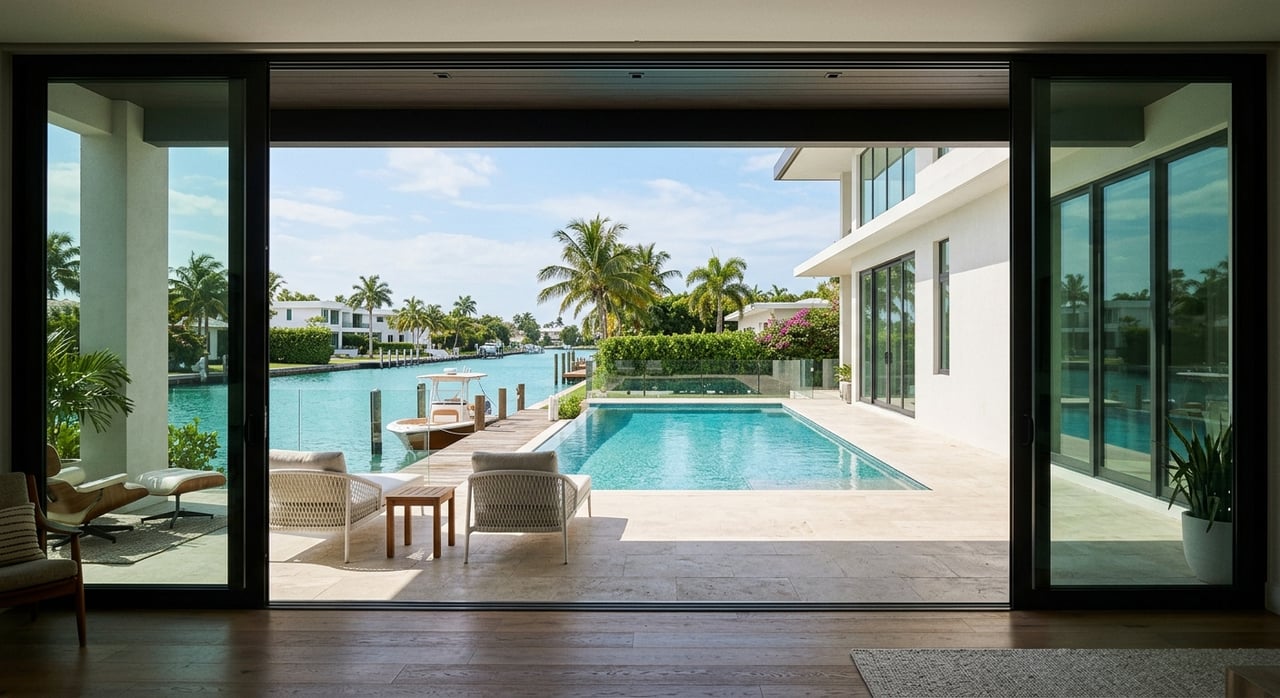
For buyers, a home here is often both a residence and a boating lifestyle purchase. The city’s east side opens to the Intracoastal Waterway, and the local Water Taxi route covers more than 25 miles with over 30 stops. When you sell in Lighthouse Point, you are marketing access, setting, and waterfront function just as much as the house itself.
Even in a high-value market, waterfront homes do not sell themselves. Realtor.com reported a median listing price of $1,073,500 and median days on market of 93 through April 2026. Redfin reported a median sale price of $974,417 and median days on market of 89 for the three months ending May 2026.
Those figures point to an important reality. Buyers are active, but they are also selective. A waterfront home that shows well, answers key due-diligence questions early, and launches at a realistic price is usually better positioned than one that relies on location alone.
One of the smartest things you can do before listing is organize your waterfront documents. In Lighthouse Point, buyers often want answers quickly, especially when the home includes a dock, seawall, or major waterfront improvements.
A strong pre-listing file may include:
Having these items ready can reduce uncertainty during showings, inspections, and negotiations. It also helps your agent present the property with more confidence and clarity.
In Lighthouse Point, docks and seawalls are regulated improvements. The city states that dock and seawall repairs generally require building permits. If work begins without the required permit, the city can issue a stop-work order and charge double fees.
The city’s dock and seawall checklist notes that a permit package may require a building application, outside-agency approvals from Broward County, the Florida Department of Environmental Protection, or the Army Corps of Engineers, signed and sealed plans when applicable, and an updated dock or seawall survey before final inspection. This is one reason buyers look closely at waterfront improvements.
For larger projects, the city’s permit instructions for a new residence or major addition say two signed and sealed engineer letters may be required. These letters confirm the seawall’s condition and whether it can support the added upland improvements when the home is new or when a project adds or remodels 50% or more.
If you have completed major work, it is worth reviewing your records before listing. If paperwork is incomplete or unclear, that issue is often better addressed upfront than under contract.
Flood risk is part of waterfront ownership in Lighthouse Point. The city states that it is in a flood-prone area and encourages property owners to maintain adequate flood insurance protection. The city also points owners to FEMA flood maps and notes that elevation certificates may be available through the Building Department upon request.
For sellers, this matters because buyers often want a clearer picture of insurability and past flood-related documentation. Since standard homeowners insurance policies typically do not cover flooding, flood insurance is often a separate concern. If you already have useful documents on hand, that can help answer questions earlier in the process.
Not every upgrade will move the needle, but waterfront condition issues usually deserve attention. Buyers often focus first on the property-to-water relationship, which means deferred maintenance along the seawall, dock, deck, or rear exterior can affect how they view the entire home.
Before listing, consider whether you need to address:
Florida law also matters here. Florida Statutes require real estate licensees to disclose known facts that materially affect the value of residential real property and are not readily observable to the buyer. For a waterfront home, known issues related to flooding, seawall condition, or unpermitted improvements are often better handled early through the agent or attorney process rather than discovered late.
Some sellers assume they can quickly add taller landscaping to improve backyard privacy before going to market. In Lighthouse Point, that may not be realistic on a waterfront lot. The city’s waterfront hedge standards state that within the rear 25-foot setback, the maximum hedge height is 3 feet.
That means privacy strategy should be grounded in current local rules, not guesswork. If privacy is one of your home’s weaker points, the better approach may be to market the outdoor layout honestly and present the space in a polished, intentional way.
Timing your preparation can make a real difference. The Atlantic hurricane season runs from June 1 through November 30, according to the National Hurricane Center. For many sellers, it is easier to complete repairs, gather records, schedule photography, and prepare the home before peak storm season.
There is another practical reason to plan ahead. If storm damage occurs, the city says permits may be required before repairs begin. Getting your home market-ready early can reduce the chance that weather delays your launch or complicates your timeline.
A waterfront buyer wants to understand how the property lives. That story should go beyond square footage and focus on how the home connects to the water.
Buyers often want to see:
In Lighthouse Point, that lifestyle story is credible because it reflects the city’s actual waterfront setting and boating access. The goal is to make the buyer feel the ease and rhythm of the property, not just observe it.
Waterfront homes usually benefit from a more tailored showing strategy. Because access points are more sensitive and outdoor areas are highly visible, private showings often create a better experience than crowded open houses.
This approach also fits the expectations of many luxury buyers. A calm, well-managed showing gives you more control over first impressions and allows the property’s waterfront details to be experienced with less distraction.
It is easy to assume that any Lighthouse Point waterfront address will command a premium without much resistance. The market data suggests a more measured approach. With city-level days on market hovering around three months in spring 2026, pricing still needs discipline.
A strong list price should reflect more than broad market averages. It should account for your waterfront features, documentation, condition, and overall presentation. When buyers are comparing canal access, dock usability, seawall confidence, and outdoor living appeal, small differences can shape both value and negotiation leverage.
For many Lighthouse Point sellers, the best results begin with careful pre-listing work. That means getting documents in order, addressing avoidable issues, planning the visual story, and entering the market with a strategy that matches how waterfront buyers actually evaluate property.
In a place where scarcity and lifestyle both matter, polished preparation can help your home stand out for the right reasons. If you are thinking about your next move, the team at Tinka Ellington Group offers a private, concierge-style consultation tailored to South Florida waterfront sellers.
Stay up to date on the latest real estate trends.
We are committed to guiding you every step of the way—whether you're buying a home, selling a property, or securing a mortgage. Whatever your needs, we've got you covered.

Luxury Presence
101 N Federal Hwy 5th Flr Boca Raton FL 33432