Seasonal Living In Highland Beach: What To Expect
July 16, 2026
July 16, 2026
If you are thinking about spending part of the year in Highland Beach, the biggest surprise may be how much the town’s pace changes with the seasons. In winter, the area feels active and social. In the warmer months, it becomes noticeably quieter and more residential. That shift matters when you are choosing the right property, planning your time here, or deciding how hands-on you want ownership to be. Let’s dive in.
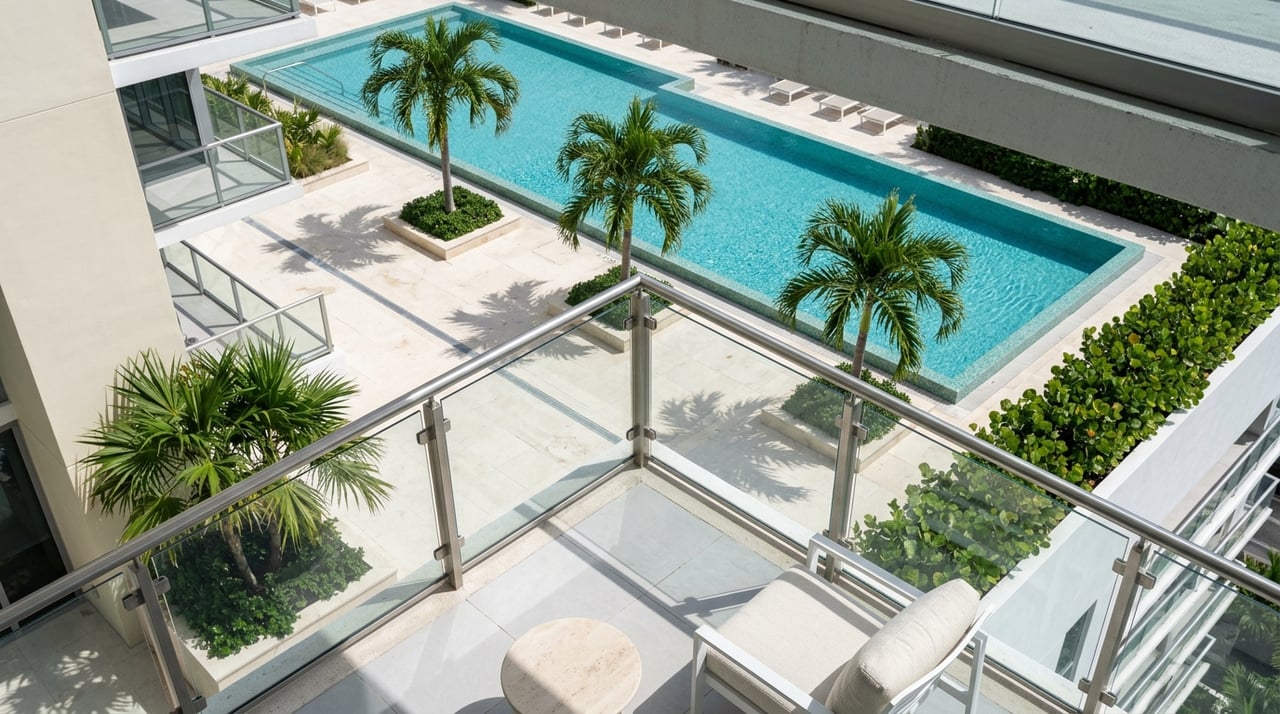
Highland Beach is a small barrier-island town between the Atlantic Ocean and the Intracoastal Waterway. It stretches about three miles and sits between Delray Beach and Boca Raton, with most homes lining State Road A1A. The town describes itself as quaint and unique, and its land-use pattern supports that identity.
The local comprehensive plan shows that Highland Beach is largely residential, with about 67% of its acreage devoted to residential use. It is also about 98% built out, which means the town is shaped more by established homes and condominium buildings than by large waves of new development. For you, that often translates to a more settled feel and a housing stock defined by existing coastal properties.
Seasonally, the population changes in a meaningful way. The town estimates about 4,150 year-round residents and about 8,500 residents in winter. That is one of the clearest reasons seasonal living here feels distinct from year-round living.
Winter is when Highland Beach is at its liveliest. With the seasonal population rising, buildings feel fuller, common areas are more active, and the town has more day-to-day energy. If you enjoy being around other seasonal residents, this is when the social side of ownership tends to be strongest.
At the same time, Highland Beach does not function like a busy commercial beach district. The town provides core municipal services such as police, library, water, and wastewater, while contracting for fire, solid waste, and postal services. That helps preserve a self-contained, residential atmosphere even during the peak season.
For many buyers, this balance is the appeal. You can enjoy an active winter environment without feeling like you are in the middle of a heavy tourism zone. That creates a different experience from some larger coastal destinations nearby.
Outside the winter months, Highland Beach becomes much quieter. With fewer seasonal residents in town, many buildings and streets feel calmer. If you value privacy, a slower pace, and a more low-key coastal setting, the off-season may be one of the town’s best features.
Weather is a big part of that experience. Regional NOAA normals for the West Palm Beach area show average January temperatures around 74.7°F for highs and 57.9°F for lows, while July averages are about 90.0°F for highs and 76.1°F for lows. The region also receives about 66 inches of annual precipitation, with the wettest stretch generally running from June through September.
That means your seasonal plan should match your comfort with South Florida summers. If you intend to use your property only in winter, ownership logistics become especially important once you leave town. If you enjoy extended stays, you will want a realistic picture of summer heat, rain, and storm-season preparation.
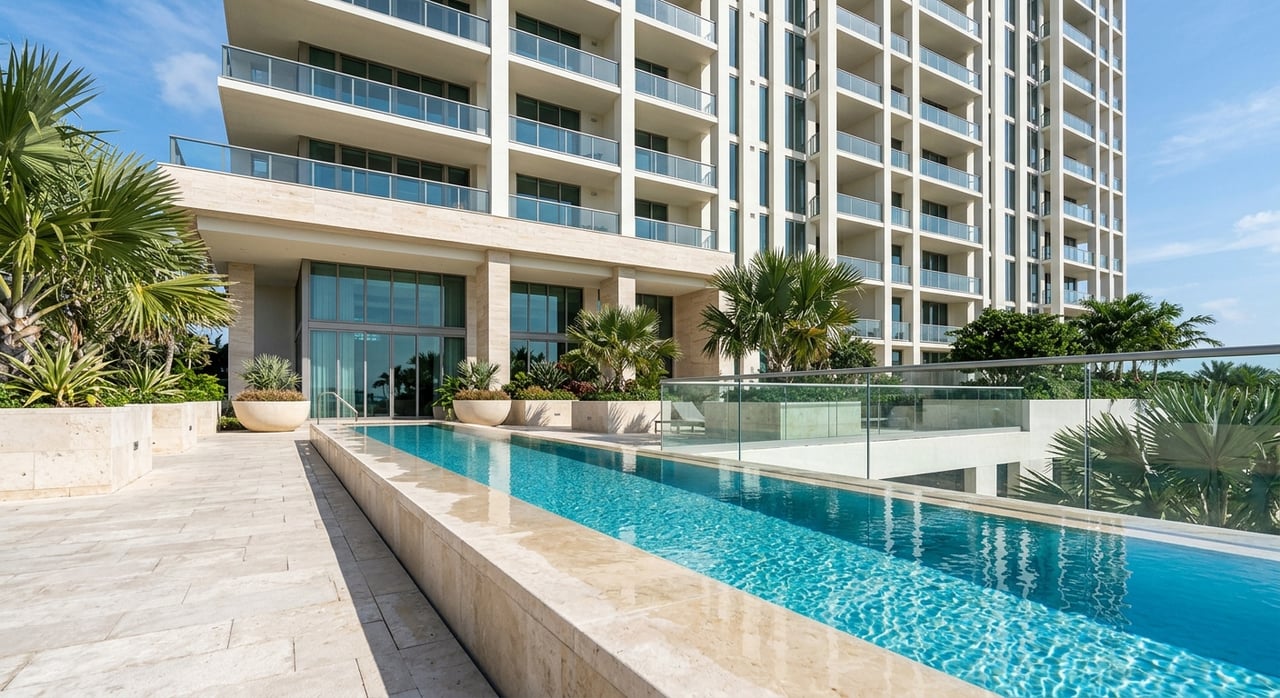
Because Highland Beach is substantially built out, many seasonal buyers will focus on existing condominiums and established residential communities. The town’s zoning includes several multi-family categories along with single-family estates, which helps explain why condos are such a major part of the local housing mix.
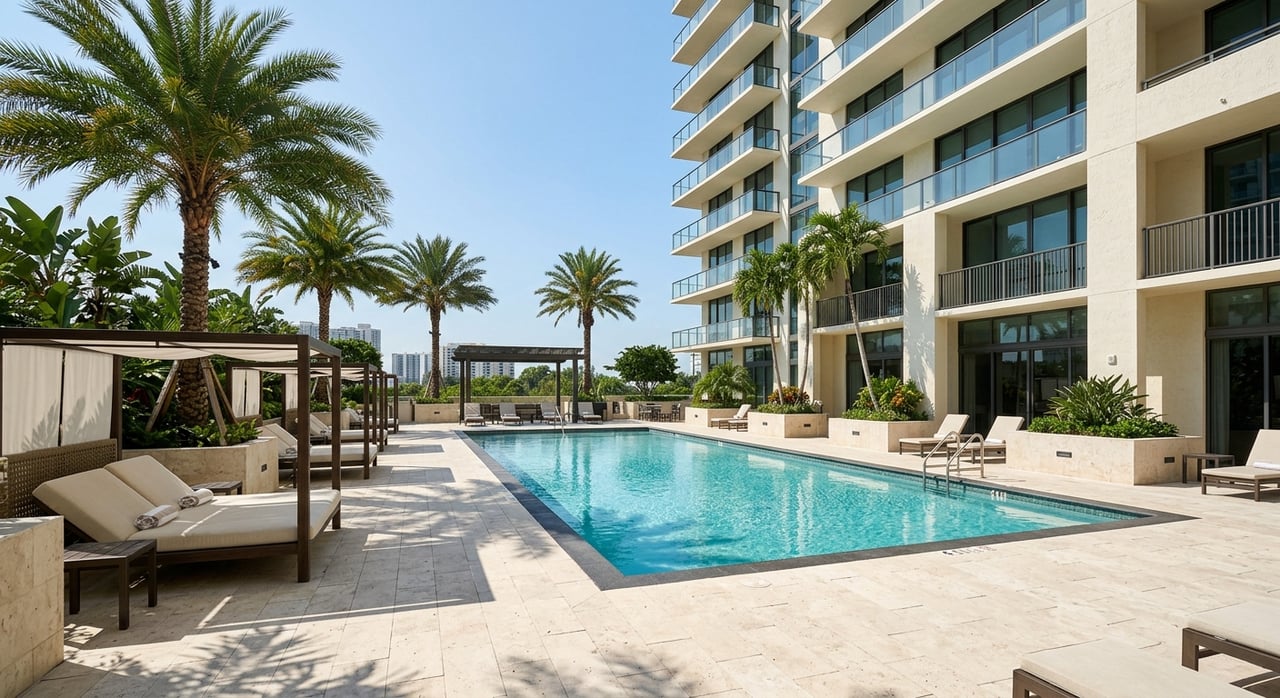
For seasonal owners, condos can offer a simpler ownership model than a single-family home. In many cases, you may prefer the lock-and-leave convenience of a managed building, especially if you split your time between Florida and another primary residence. That said, the details matter from one building to the next.
Association rules can shape your experience in important ways. Rental policies, use restrictions, maintenance responsibilities, and seasonal occupancy patterns can all vary by community. If you are comparing properties, understanding those building-specific rules early can save time and help you find the right fit.
One common assumption is that a beach town automatically offers broad public beach access within town limits. In Highland Beach, that is not currently the case. The town says there are no public beaches within the town, even though it has roughly three miles of shoreline.
In practical terms, your beach routine may depend on your building, your community, or nearby neighboring cities. For many owners, access may be private, building-based, or a short drive away. That makes the exact location and access pattern of a property especially important when you are evaluating seasonal use.
Palm Beach County owns the Milani Park site at the south end for future park use, but current access expectations should be based on what exists today. If direct and simple beach access is high on your list, it is worth confirming how that works for each property rather than assuming the same experience town-wide.
A big part of seasonal living in Highland Beach is how easily you can tap into nearby amenities. Highland Beach serves well as a quiet residential base, while Boca Raton and Delray Beach provide much of the area’s shopping, dining, arts, recreation, and public beach activity.
Boca Raton offers a broad amenity base nearby. The city highlights five miles of coastline, 49 parks, and 1,650 acres of recreational space. It also points to major destinations such as Mizner Park, Town Center at Boca Raton, the Boca Raton Museum of Art, Festival of the Arts BOCA, and Mizner Park Amphitheater, along with a two-mile lifeguarded beach stretch and parks including Spanish River Park, Red Reef Park, and South Beach Park.
Delray Beach offers a different atmosphere. The city emphasizes arts and culture destinations such as Old School Square, Arts Garage, Arts Warehouse, and Downtown Delray Beach. It also confirms two public beaches within city limits: Municipal Beach and Atlantic Dunes Park.
For you, that means Highland Beach can offer a quieter home base without cutting you off from activity. You can enjoy a more residential setting day to day, then head north or south for dining, shopping, cultural venues, or a public beach outing.
Seasonal living on a barrier island comes with responsibilities, especially if you will be away for part of the year. In Highland Beach, hurricane planning is not optional background information. It is a central part of owning well.
The town says hurricane season runs from June 1 through November 30. Highland Beach is in Evacuation Zone B for all hurricane categories, and evacuations can affect utilities and bridge access on the barrier island. If you will not be in town year-round, you should think through storm prep well before the season begins.
This is one reason many second-home buyers value a well-organized ownership plan. Whether you choose a condo or a single-family property, you will want a clear strategy for monitoring conditions, preparing the home, and responding if a storm is approaching while you are away.
Highland Beach offers several practical programs that can help seasonal residents stay connected and prepared. The town’s Away From Home initiative is specifically designed for residents who are seasonal, vacationing, or away for extended periods. That can be especially useful if your home sits empty for part of the year.
The town also offers CodeRED emergency notifications for registered home, business, and mobile numbers. For owners who travel frequently, that creates a more direct line for urgent local updates. In addition, the beach-condition program provides daily safety updates with flags, weather, and water-quality advisories.
These tools do not replace a personal property plan, but they do support a more informed ownership experience. If you are comparing Highland Beach with other coastal markets, this kind of local infrastructure is worth noting.
If you are thinking about renting out your property when you are not using it, be prepared for added due diligence. The town requires vacation-rental registration, and a separate registration is required for each unit. That requirement alone makes it important to confirm the operational details before you buy.
For condo and HOA properties, the town’s form says owners must verify that short-term rentals are allowed in their building or community. In other words, town registration is only part of the picture. Association rules may be more restrictive, and they can shape whether a property works for your goals.
This is especially relevant for buyers who want both lifestyle use and investment flexibility. In Highland Beach, not every property will support the same rental strategy, so property-level review is essential.
Living near the beach also means adapting to local coastal rules and seasonal environmental practices. In Highland Beach, beachfront residents are asked to turn off exterior lighting from March 1 through October 31 during sea turtle nesting season. That is a simple example of how ownership here connects with shoreline stewardship.
The town also began daily beach-condition updates in June 2026. For owners and guests, that adds a practical layer of real-time awareness around conditions and safety. These details may seem small at first, but they become part of the rhythm of responsible coastal living.
Even routine upkeep has a seasonal angle. The town follows South Florida Water Management District irrigation rules, including a separate schedule for multi-family units and HOAs. If your property will sit vacant for stretches of time, understanding maintenance routines matters just as much as understanding the view.
Highland Beach tends to work best if you want a calm, residential coastal setting rather than a town centered on retail or nightlife. It can be an excellent match if you value established oceanfront or Intracoastal living, easy access to Boca Raton and Delray Beach, and a more private seasonal rhythm.
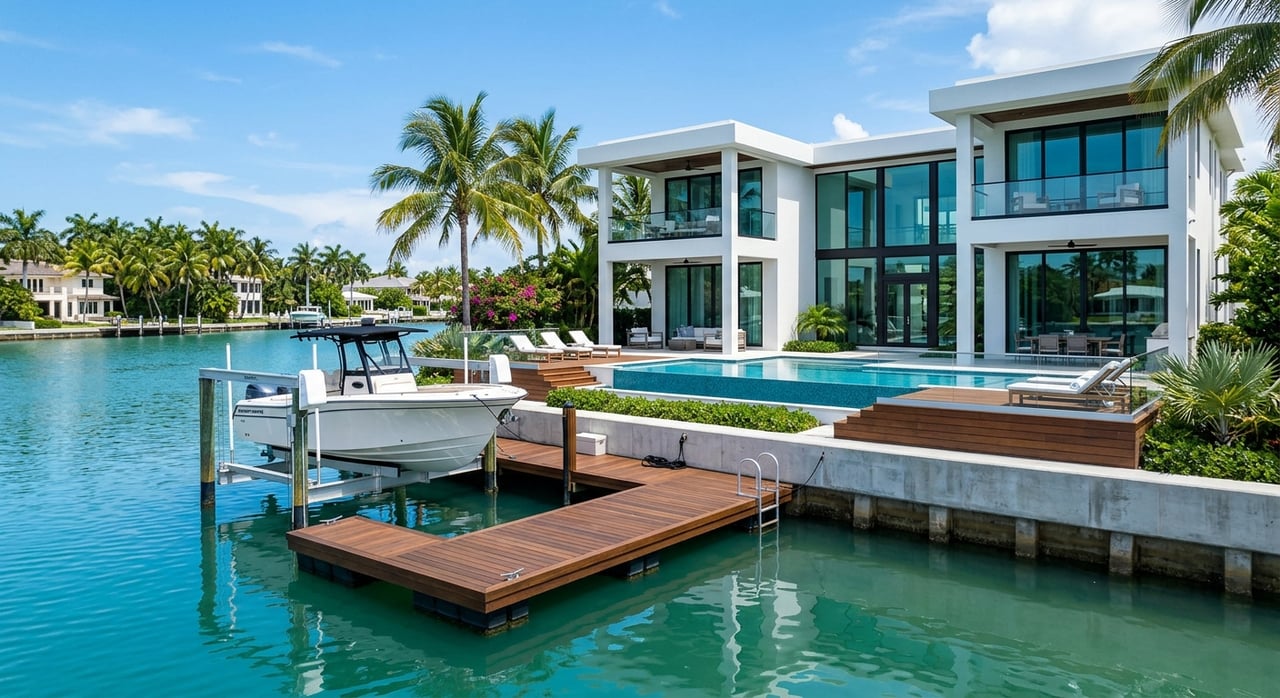
It may be especially appealing if you are looking for a condominium or waterfront residence that supports a refined lock-and-leave lifestyle. At the same time, it is important to go in with clear expectations about beach access, building rules, storm planning, and the quieter pace outside winter. Those are not drawbacks so much as defining features of the ownership experience.
If you are weighing Highland Beach against nearby options, the right question is not simply whether the town is beautiful. It is whether its seasonal pattern, residential character, and ownership logistics align with how you actually want to live.
If you want help evaluating Highland Beach condos, waterfront residences, or the best fit between Highland Beach, Boca Raton, and Delray Beach, the Tinka Ellington Group offers discreet, concierge-level guidance tailored to your goals.
Stay up to date on the latest real estate trends.
We are committed to guiding you every step of the way—whether you're buying a home, selling a property, or securing a mortgage. Whatever your needs, we've got you covered.
Luxury Presence
101 N Federal Hwy 5th Flr Boca Raton FL 33432