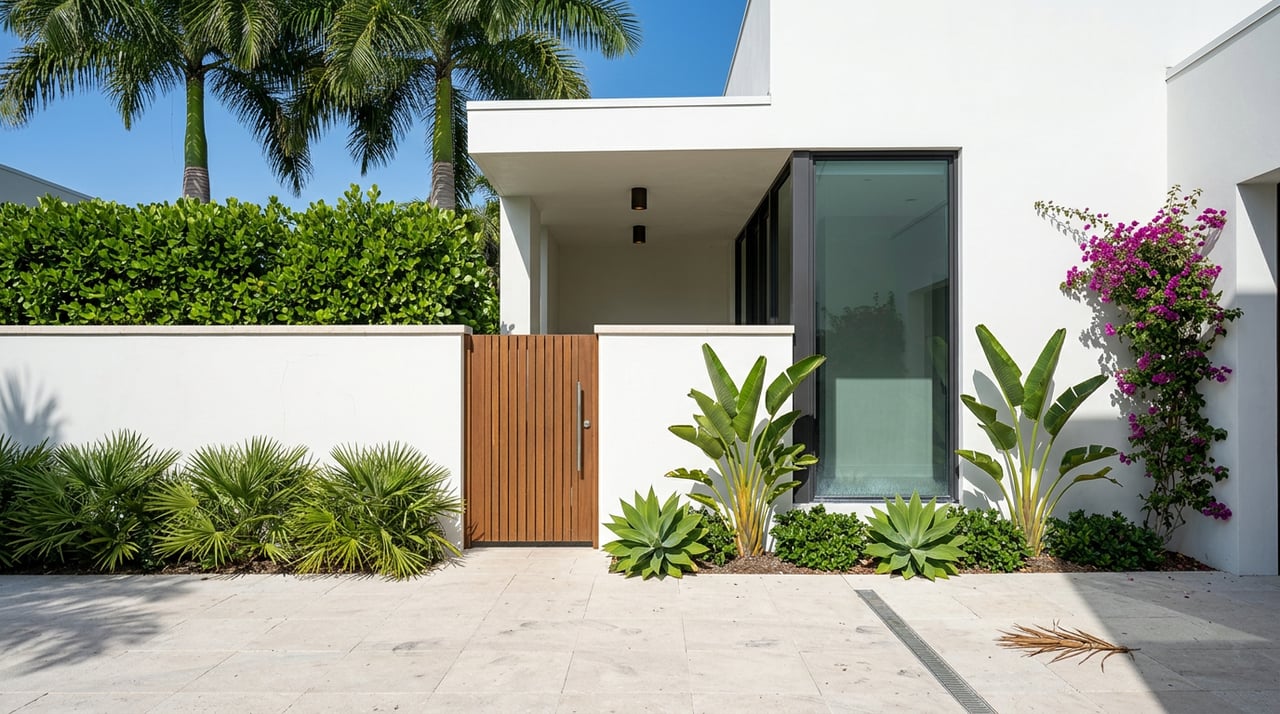
Buying Hillsboro Mile Luxury Homes in Hillsboro Beach
March 5, 2026
March 5, 2026
If you have your eye on “Millionaires’ Mile,” you already know Hillsboro Mile is different. It is a slender barrier island with water on both sides, a single road, and a lifestyle that revolves around the Atlantic and the Intracoastal. You want clarity on oceanfront versus Intracoastal, condos versus estates, and the rules that come with living on the water. This guide gives you the essentials so you can buy with confidence. Let’s dive in.
Hillsboro Mile runs through the Town of Hillsboro Beach, a tiny incorporated barrier‑island community in northeast Broward County. The town sits between the Atlantic Ocean and the Intracoastal Waterway, which shapes everything from views and boating to building rules and flood exposure. You can confirm the one‑road layout and town context on the official town site.
Inside the town, services are limited by design. Most shopping, dining, marinas, and medical services are in nearby Deerfield Beach, Boca Raton, Pompano Beach, or Fort Lauderdale. For a quick sense of the setting, explore the regional overview on Visit Lauderdale’s Hillsboro Beach page.
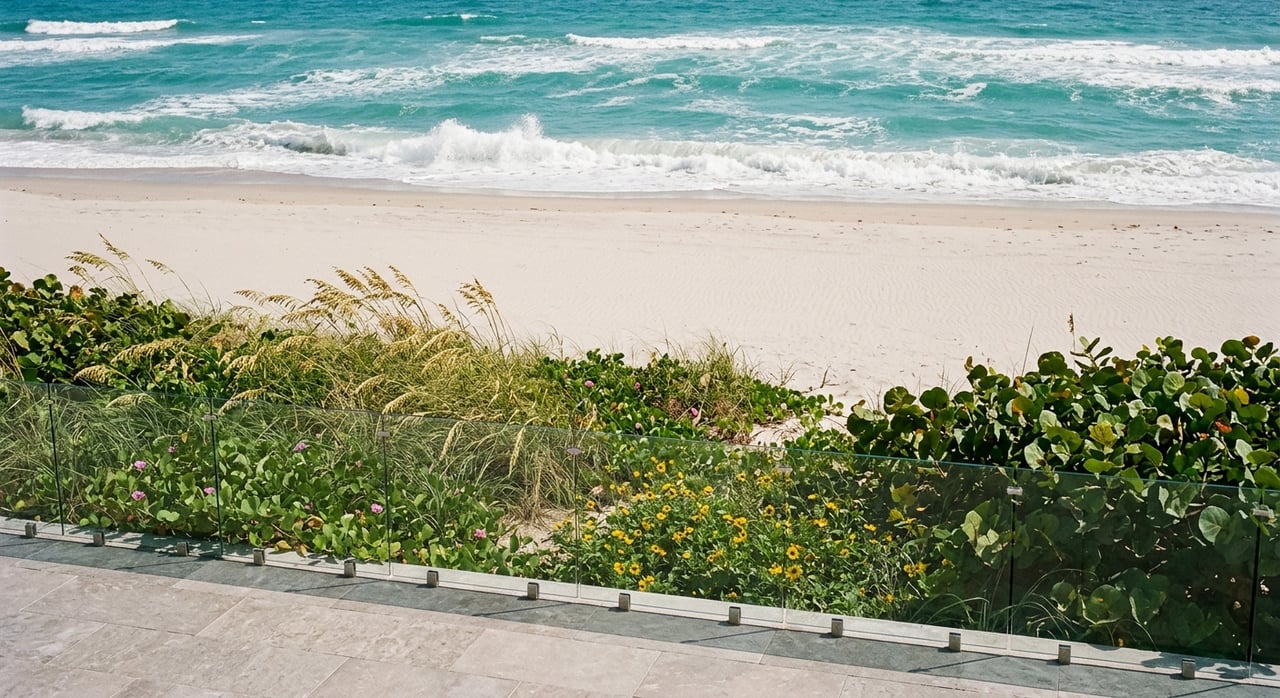
Oceanfront living gives you direct beach access and sunrise views. It also places you closer to wave action. Many oceanfront parcels fall in FEMA’s VE coastal high‑hazard zones, which carry stricter elevation and structural standards. Before you buy, pull the property’s flood map and elevation details from the FEMA Map Service Center and request any existing elevation certificate from the town.
Expect additional coastal rules. Florida’s Coastal Construction Control Line (CCCL) adds permitting requirements for work seaward of the line, including dune alterations and shoreline improvements. Review the CCCL framework to understand how it may affect future plans through the state rule summary. Hillsboro Beach also documents ongoing beach management and renourishment planning, so confirm any public projects that could affect sand width or timing near your parcel.
Night lighting is regulated during turtle nesting season. The town enforces a turtle‑friendly lighting ordinance (March 1 to Oct 31) that can affect balcony, exterior, and landscape lighting. Read the local rules on the Town’s lighting information page.
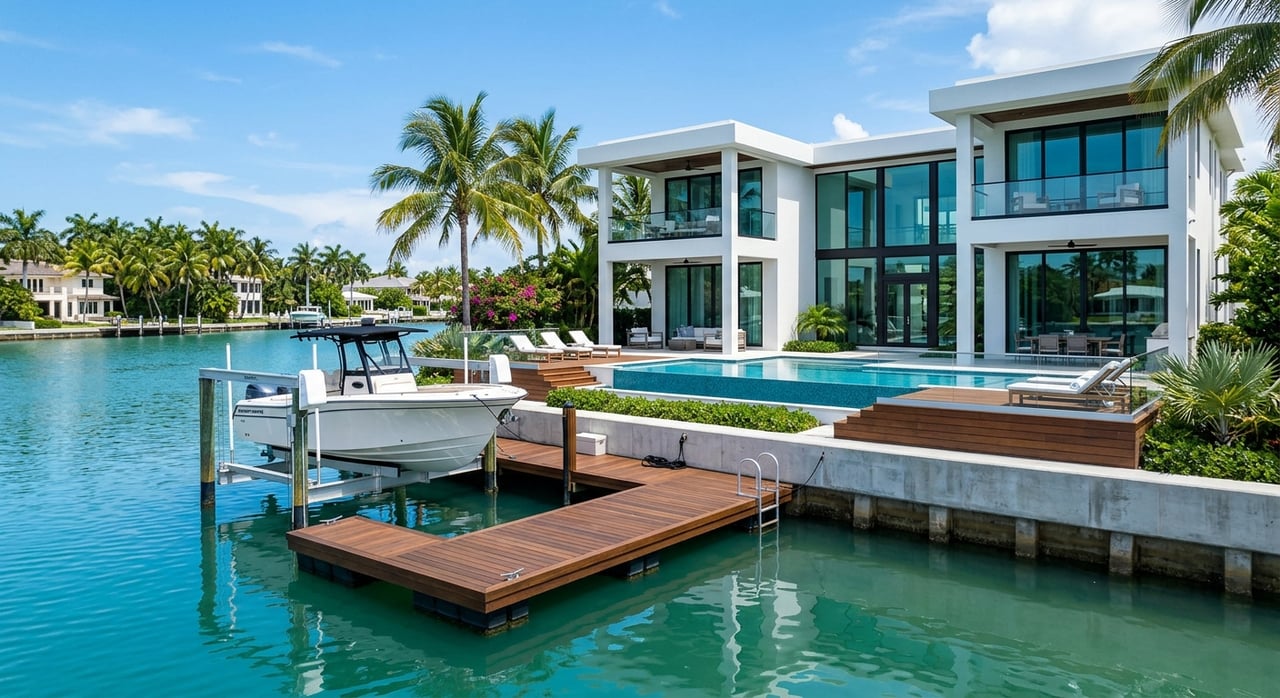
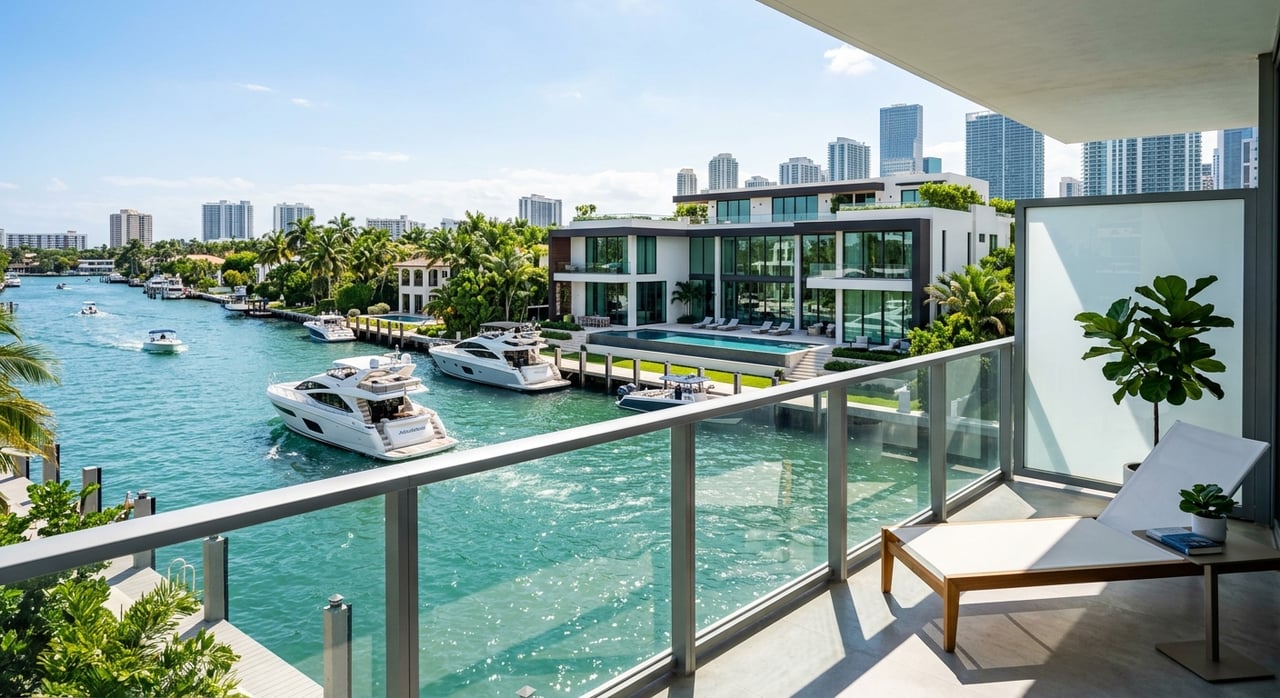
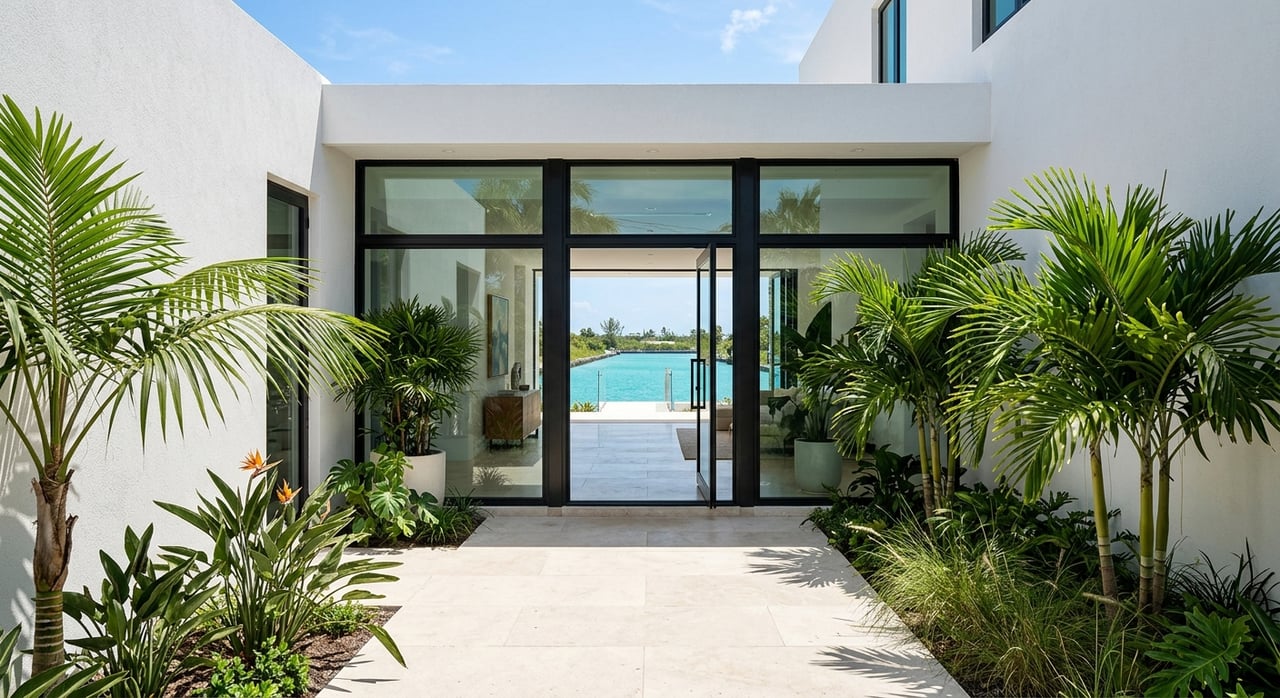
Intracoastal properties often feature protected docking, boat lifts, and sunset views. Ownership usually includes seawall and dock upkeep, and wake impacts can affect maintenance cycles. Docks and in‑water work often require permits from multiple agencies. Start with the town’s guidance on permits and regulations and ask for recorded as‑builts and easements.
If you plan to keep a boat, verify vessel beam, draft, and bridge operations. The town publishes drawbridge information that is helpful for route planning and bridge timing. Check the drawbridges resource before you commit to a slip size or lift.
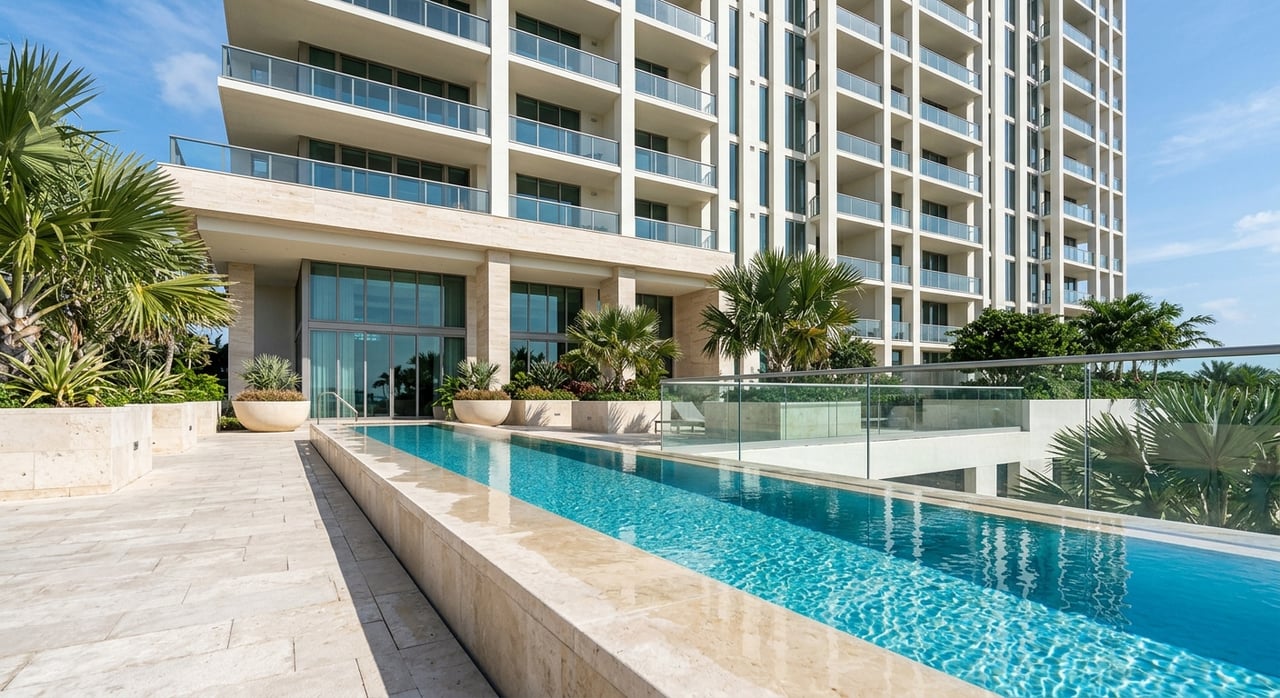
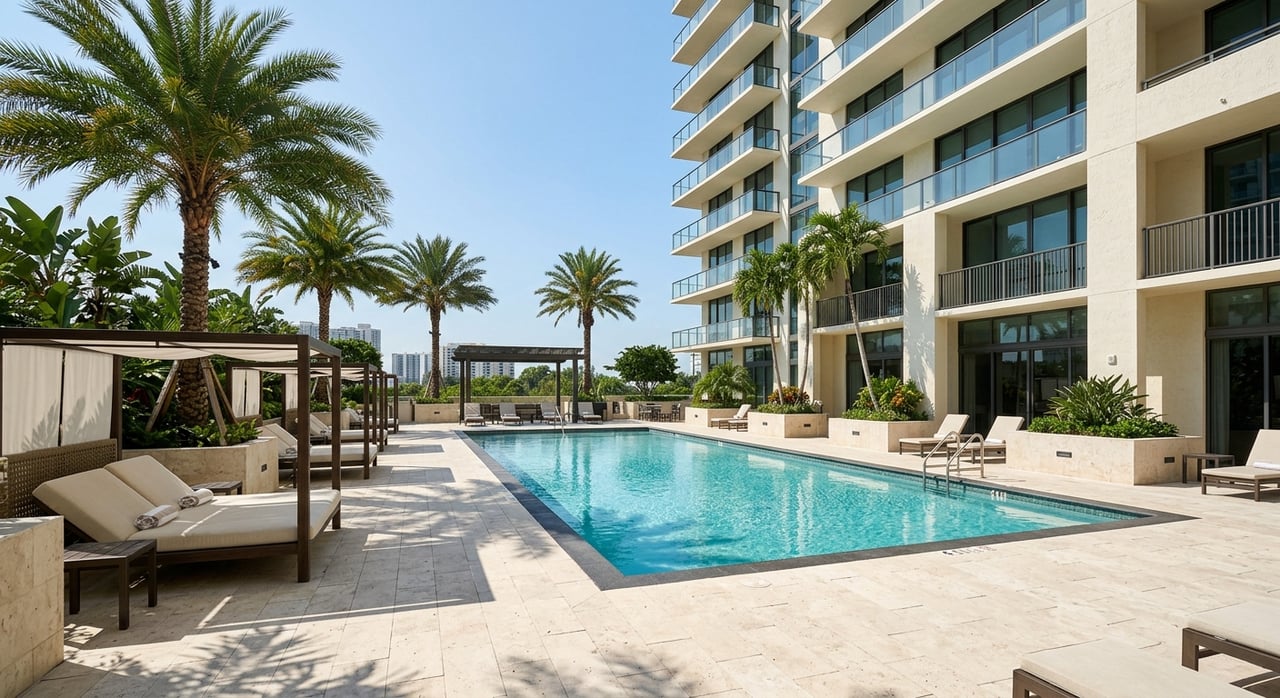
Hillsboro Mile’s inventory is small but varied. You will see three main buckets:
For condos, request 40‑year or recertification reports, reserve studies, and a schedule of past and planned assessments. For pre‑construction, confirm approvals, construction phasing, and association budgeting before you sign.
Flood maps drive code requirements and insurance. Use the FEMA Map Service Center for address‑level flood zones and base flood elevations. The Town participates in the National Flood Insurance Program and can provide guidance and any on‑file elevation certificates on the Flood Zone and Elevation Certificates page. Note that new NFIP policies carry a typical 30‑day waiting period, so start early.
Many oceanfront improvements require special approvals if a lot lies seaward of the CCCL. Dune protection and shoreline rules can affect timelines and design choices. Review Florida’s CCCL framework via this state rule resource and ask your team to verify any current or pending coastal permits tied to the parcel.
On the Intracoastal, confirm permitted dock dimensions, lift capacity, and any shared easements. Ask the Town for permit histories and recorded as‑builts. Start with the Town’s permits and regulations, then layer in any county or state approvals as needed.
Hillsboro Beach enforces turtle‑safe lighting March through October. That means warm‑spectrum, shielded fixtures and limited visibility from the beach side. Review the Town’s lighting guidelines and plan balcony and landscape lighting accordingly.
Flood insurance is separate from your homeowners policy. FEMA’s Risk Rating 2.0 makes flood premiums more property‑specific, with elevation, distance to water, and replacement cost as key factors. Coastal VE‑zone properties often carry higher flood premiums, and wind coverage can include percentage‑based hurricane deductibles. Get written quotes early for homeowners, wind, and flood from at least two reputable brokers. For a primer on Florida homeowners coverage, review this Florida homeowners insurance overview.
Life on Hillsboro Mile is quiet and linear. The town’s single A1A corridor ties the neighborhood together, and nearby cities provide the shopping, dining, marinas, and services you use day to day. For a quick sense of the area’s amenities and coastal character, explore Visit Lauderdale’s neighborhood overview.
Buying on Hillsboro Mile is as much about due diligence as it is about the view. You want precise flood and elevation data, clear permit histories, and a plan that aligns with local zoning and coastal rules. You also want discretion and a team that understands how condos, Intracoastal homes, and oceanfront estates trade in a small, high‑value market.
If you are exploring Hillsboro Beach, connect with the Tinka Ellington Group for a private, data‑driven consultation. Our boutique team specializes in waterfront single‑family and high‑end condominiums across the Boca Raton to Pompano Beach corridor. We will source the right opportunities, organize the due diligence, and manage every step with white‑glove care.
Stay up to date on the latest real estate trends.
We are committed to guiding you every step of the way—whether you're buying a home, selling a property, or securing a mortgage. Whatever your needs, we've got you covered.

Luxury Presence
101 N Federal Hwy 5th Flr Boca Raton FL 33432