Should you buy an oceanfront condo or a single-family home in Highland Beach? The answer shapes how you live, what you pay each month, and how much time you spend managing property. If you value turnkey ease, a condo may be perfect. If you want privacy, space, and your own dock, a house might win. In this guide, you’ll compare real costs, insurance and assessment risks, boating access, and taxes specific to Highland Beach, plus a practical checklist to make a confident choice. Let’s dive in.
Highland Beach housing at a glance
Highland Beach is a narrow barrier-island town with a small footprint and a condo-heavy housing mix. Town records show about 4,200 taxable parcels, with roughly 3,700 condominium parcels and about 367 single-family parcels, a clear sign that detached homes are scarce and often sell at a premium. The same document notes average assessed values of more than $1.0M per condo unit versus roughly $3.5M per single-family parcel, which helps explain price differences across the island. You can review the parcel and value breakdown in the Town Commission materials for added context on supply and value concentration.
- Reference: See the Town’s parcel/value summary in public meeting materials for a data-backed view of scarcity and value concentration. (Town Commission document)
- Property tax context: Highland Beach’s FY 2025/2026 total millage is listed at 3.5875 mills in the Town’s resolution. Confirm the current year before you estimate annual taxes. (Town millage resolution)
Market snapshot: different indexes report different medians because of methods and coverage. Recent sources showed a median sale price near $1.025M from one index and a typical value near $867k from another. Treat these as directional only and rely on fresh local comps when you are ready to offer.
What condos offer
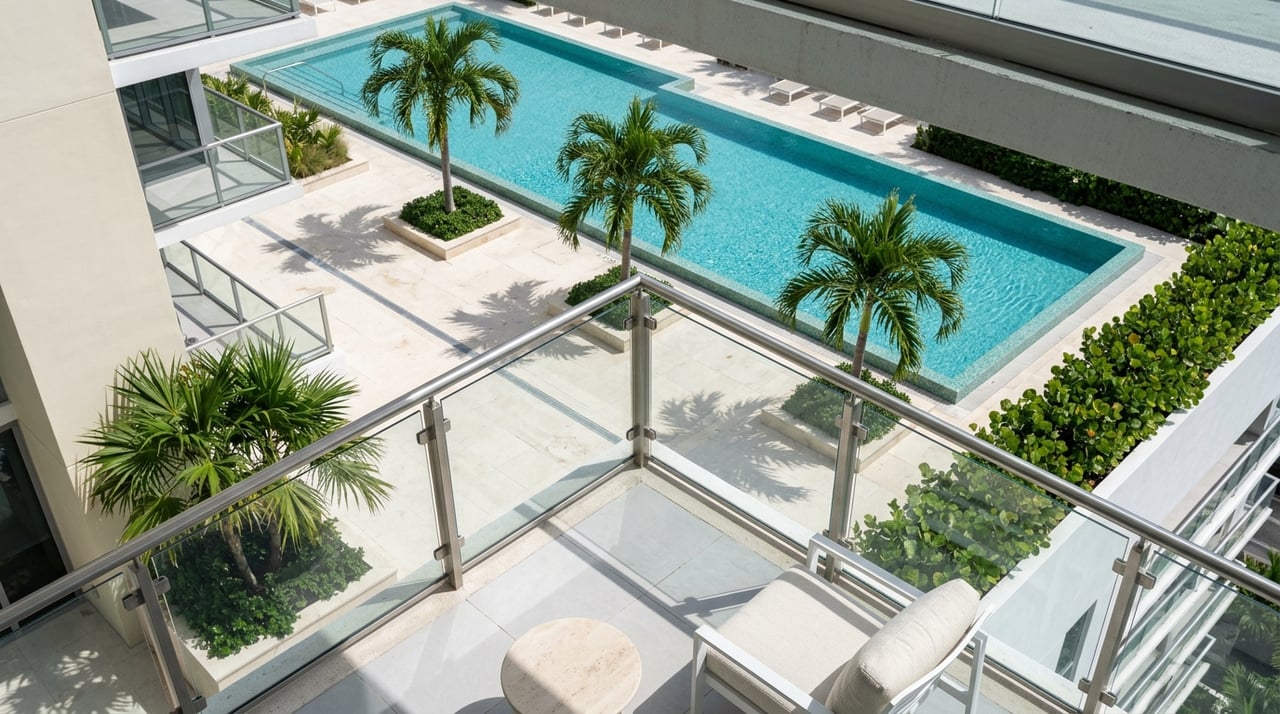
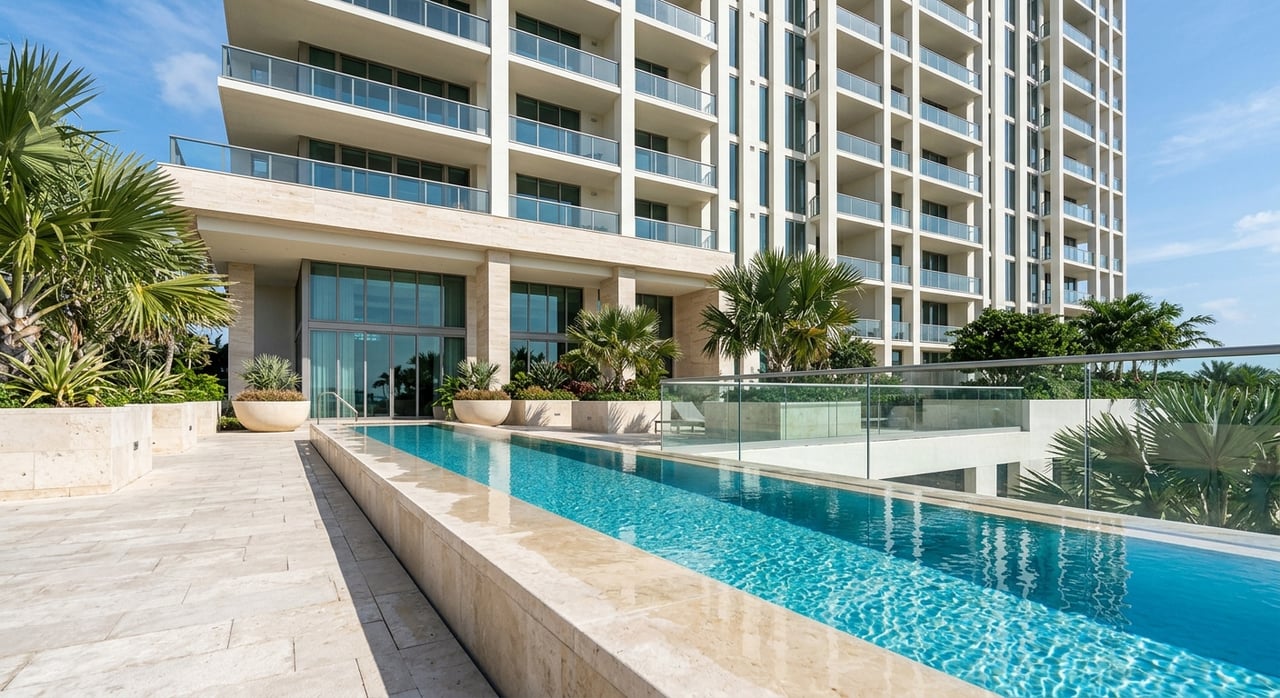
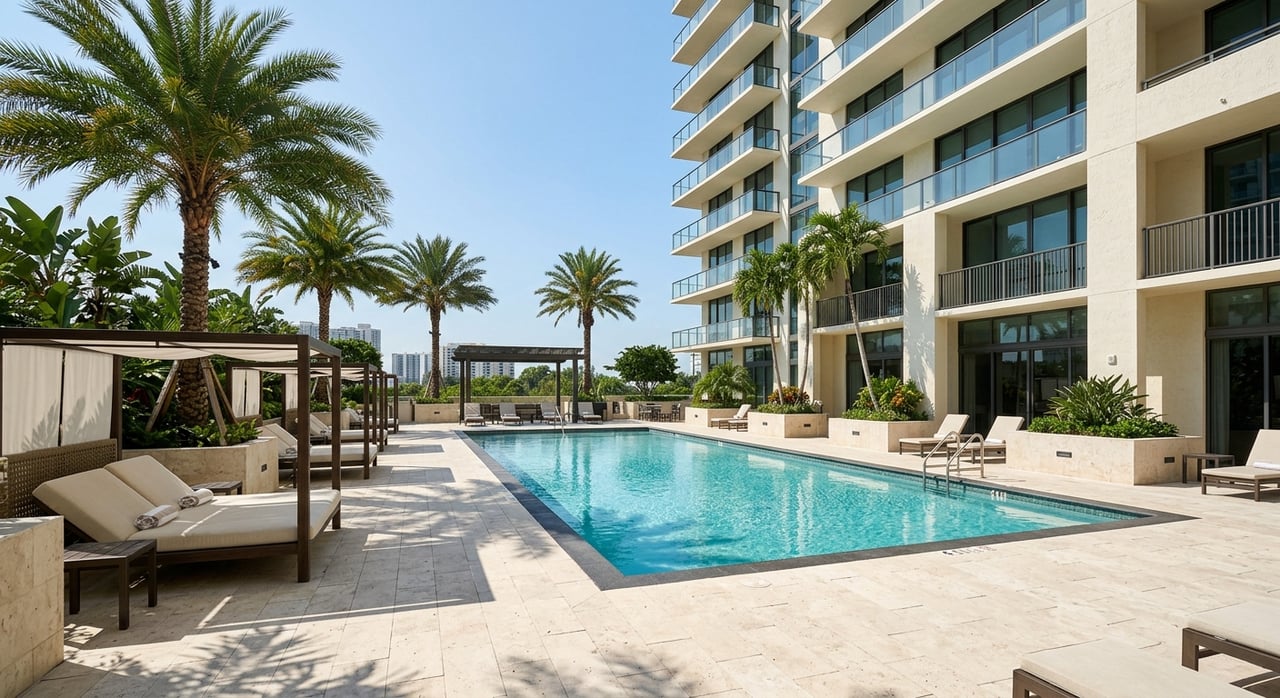
Condos in Highland Beach span older mid-century oceanfront buildings to full-service luxury towers. The big draw is convenience and a lock-and-leave lifestyle. Staffed buildings often provide security, beach access, pools, fitness, and on-site management. If you spend part of the year out of town or want minimal upkeep, this is a strong fit.
- Typical monthly fees: Many older oceanfront buildings show maintenance fees around $800 to $1,500 per month for 1–2 bedroom units. Luxury full-service towers with valet, multiple pools, and robust amenities can range around $2,500 to $3,500+ per month. Always verify what the fee includes, especially master insurance, utilities, and reserves.
- Insurance profile: The association usually carries a master policy for the building’s shell and common areas. You will still carry an HO-6 policy for your interior, contents, and personal liability.
What single-family homes offer
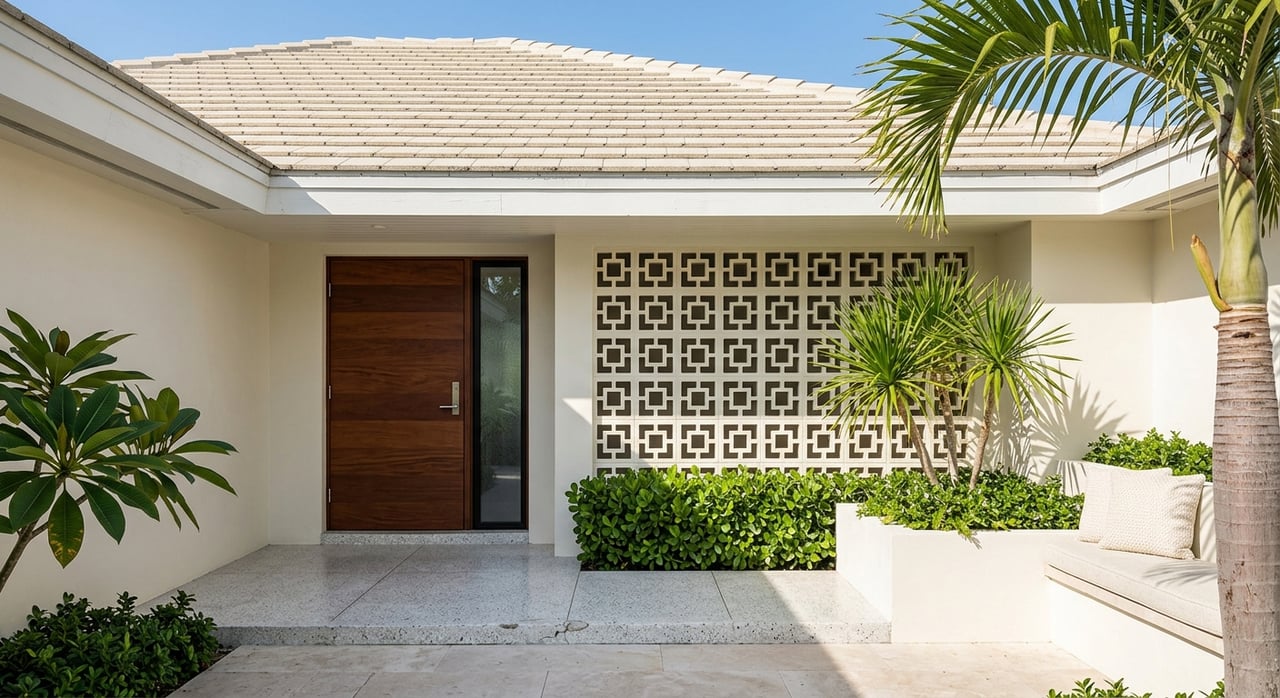
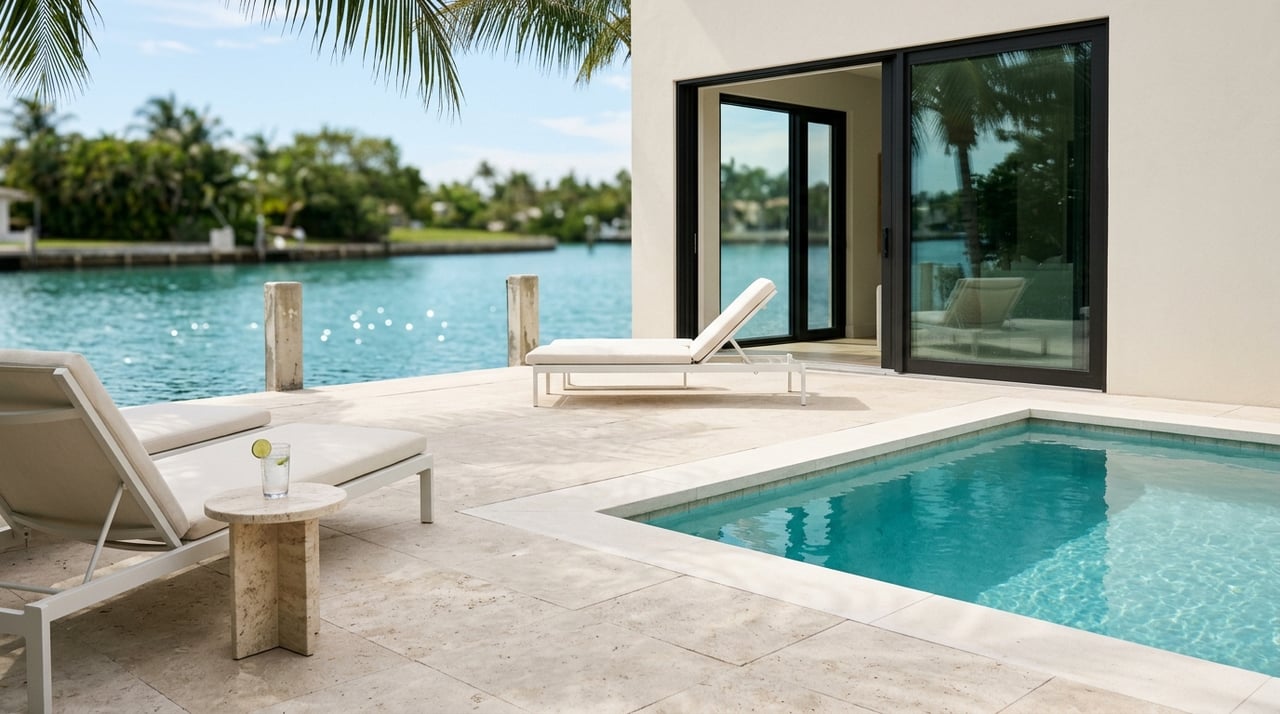
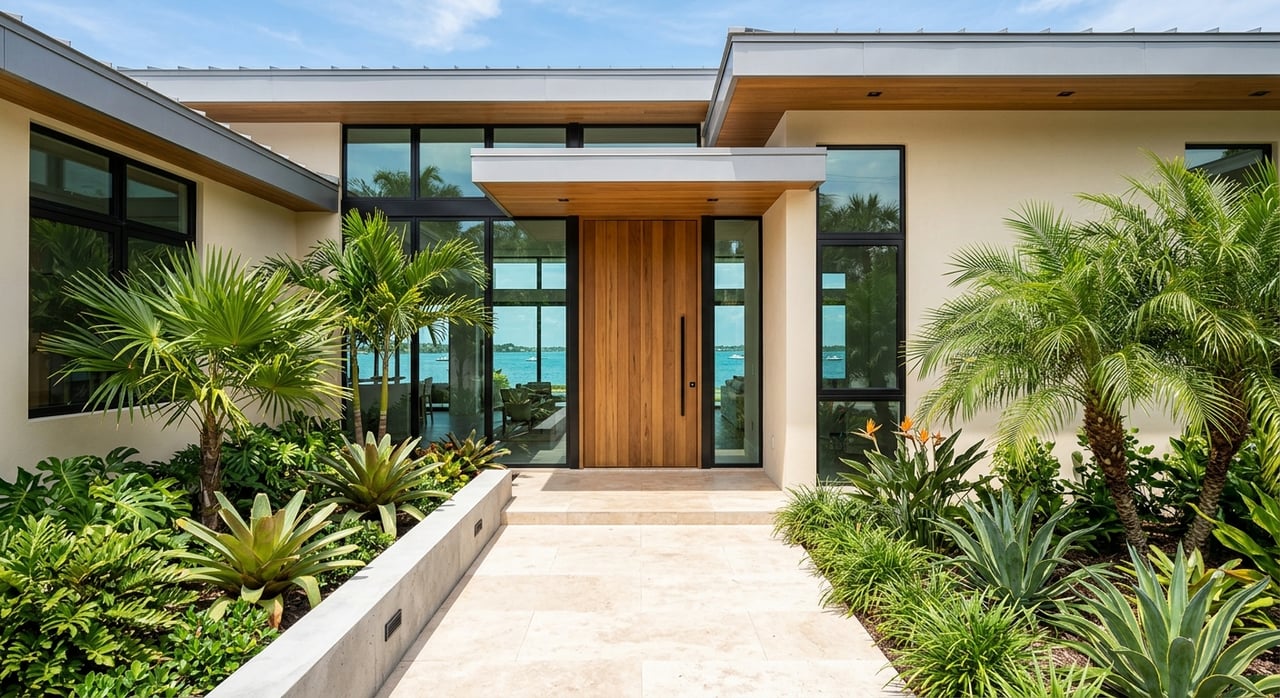
Detached homes on the island deliver privacy, outdoor space, and greater control over your property. If you want a private pool, a deeded dock, or the freedom to tailor landscaping and exterior design, a house is the more flexible option. That freedom comes with higher acquisition and maintenance costs and more hands-on ownership.
- Rarity drives prices: With only a few hundred single-family parcels in town, many waterfront homes trade in the multi-million-dollar range. Scarce supply, lot position, and water frontage are key price drivers. The Town’s assessment figures highlight the premium single-family properties often command. (Town parcel/value summary)
- Maintenance profile: Expect ongoing yard, pool, exterior, roof, and dock/seawall upkeep, plus utilities for larger footprints.
Cost comparison: monthly and capital
Every address pencils out differently, but these line items usually set the tone for your budget.
Condos: what to budget
- HOA/maintenance fees that often cover exterior upkeep, amenities, common-area insurance, and sometimes utilities.
- HO-6 interior policy, wind coverage if not included in HOA, and flood if required by your lender.
- Possible special assessments for structural or capital projects. See the inspection and reserve section below.
Single-family homes: what to budget
- No master HOA unless in a community, but you carry all exterior costs: landscaping, pool, roof, exterior paint, pest, and utilities.
- Waterfront upkeep: seawall and dock maintenance or replacement, including permitting and engineering when needed.
- Individual homeowner’s, wind, and flood insurance policies.
Insurance and flood checks
Highland Beach sits on the coast, so wind and flood exposure require careful review. If a financed property is in a FEMA Special Flood Hazard Area, your lender will require flood insurance. Look up each address in FEMA’s Flood Map Service Center and request an elevation certificate if available. Start insurance quotes early because rates and availability change, and premiums can affect affordability.
- Address-level flood zones and maps: Use the FEMA Flood Map Service Center. (FEMA Flood Map Service Center)
- Market availability: Florida’s insurer of last resort, Citizens, tracks policy counts and offers context on coverage trends. (Citizens policy data)
Condo assessments, reserves, and building inspections
Florida strengthened condo safety rules after Surfside. Many multi-story buildings must complete milestone structural inspections and maintain clearer reserve reporting. These inspections can identify concrete restoration, balcony, roof, or other work that leads to significant special assessments if reserves are short.
- Regulation: Review Florida Statute 553.899 for the milestone program framework. (Florida Statute 553.899)
- What to request before you buy: the latest reserve study, engineer or milestone reports, records of completed work, the budget, and meeting minutes that discuss repairs or assessments. The Town actively tracks recertification windows in meeting discussions. (Town meeting reference)
Waterfront maintenance: seawalls and docks
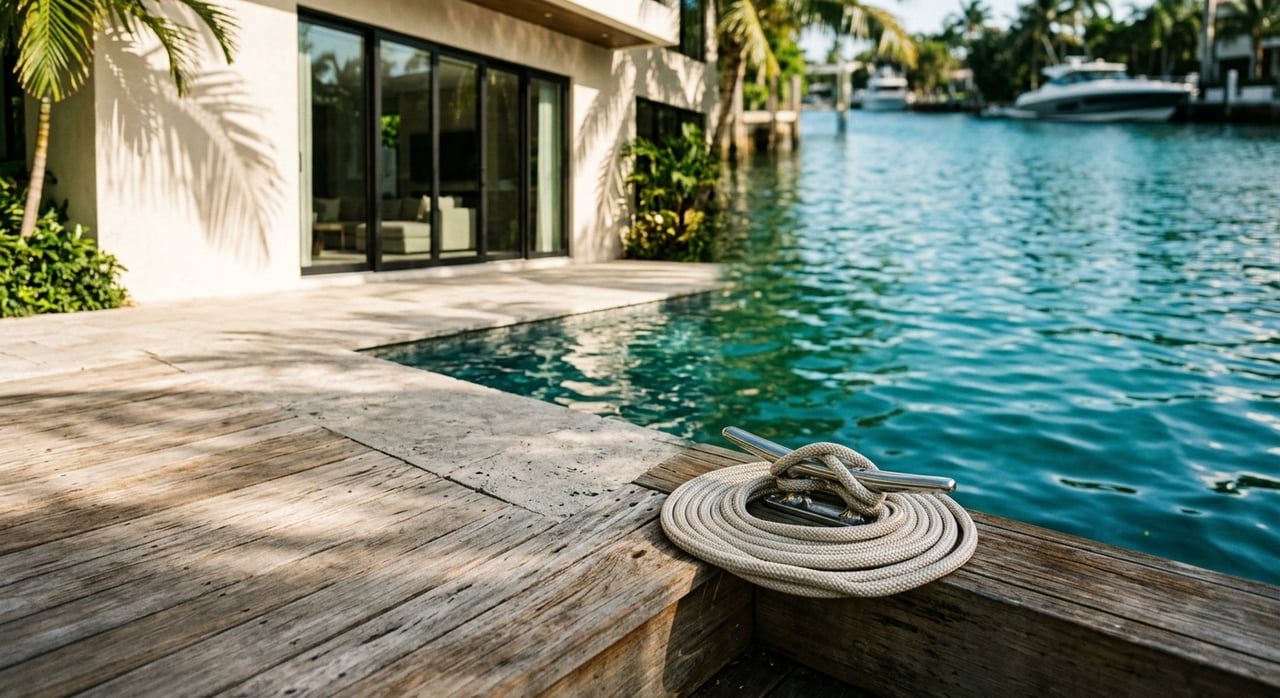
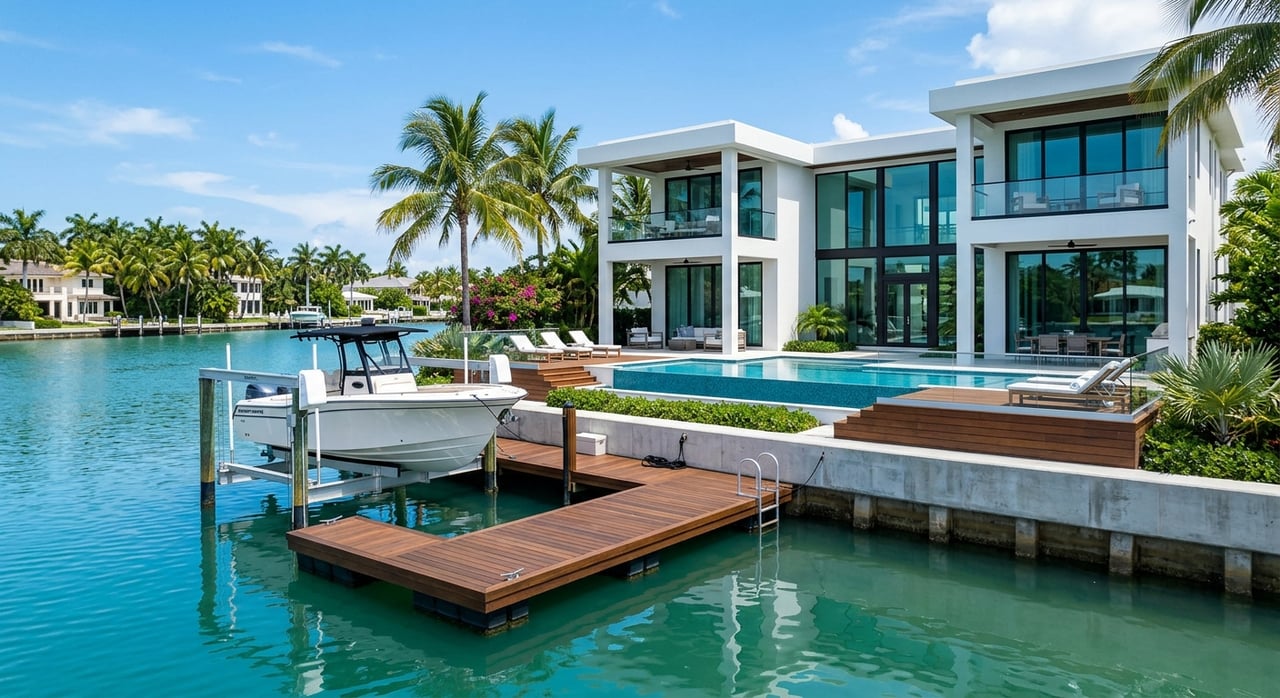
If you prefer a private dock at a single-family home, factor in marine infrastructure. Seawall and dock projects vary widely by material, access, and scope. Published contractor guidance shows seawall costs that can range from the low hundreds to several thousands per linear foot, and docks from the low tens of thousands to $40k+ for larger builds with lifts and utilities. Always obtain permits and written bids from licensed marine contractors during your inspection period.
Boating access: slips and control
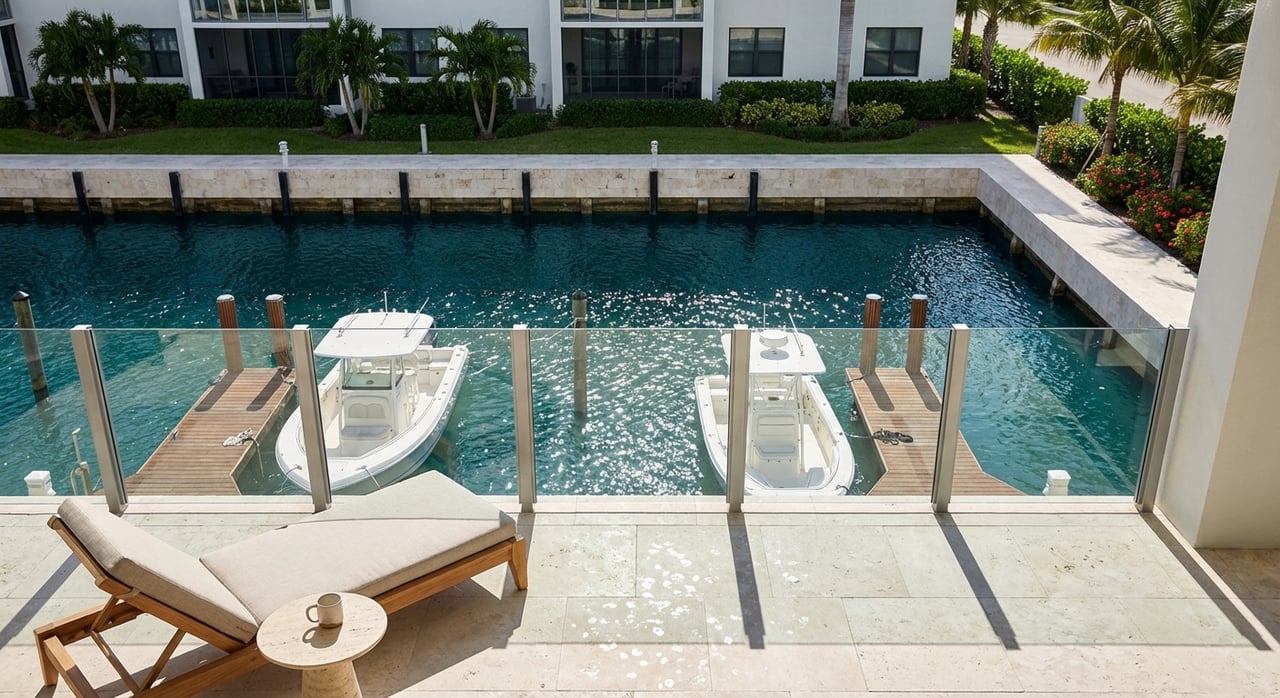
Many Highland Beach condos offer beach access and resort amenities. Some also include deeded or assigned boat slips, while others have limited marina spaces or waitlists. Single-family homes with private docks give you full control of slip size, lifts, and utilities, balanced by the cost and responsibility of maintenance.
- Before you bid: Confirm slip ownership, deeded status, and any permitting history. For lifestyle context, explore a local primer on oceanfront living and water access. (Highland Beach oceanfront living overview)
Financing and resale dynamics
Condo buyers face an extra layer of approval beyond personal underwriting. Lenders and secondary market investors review the building’s financials, reserves, and any critical repairs. If a project is deemed ineligible, your mortgage options can narrow, which can also limit the future buyer pool and influence resale value.
- Project eligibility: Lenders use tools like Fannie Mae’s Condo Project Manager to evaluate buildings. Ask your lender early about project status and any overlays. (Fannie Mae Condo Project Manager)
- Single-family contrast: Houses do not undergo project-level reviews, so standard residential underwriting applies. On the island, scarce single-family supply often supports stronger resale positions, but pricing still depends on condition, frontage, and recent comps. (Town parcel/value context)
Decision checklist for Highland Beach buyers
Use this side-by-side checklist to compare a condo and a single-family home you are considering:
- Verify the address in FEMA’s map and note the flood zone; request an elevation certificate if available. If in a Special Flood Hazard Area, obtain quotes early. (FEMA maps)
- For condos, request the HOA budget, reserve study, insurance certificates, governing documents, rental and pet rules, recent meeting minutes, and any milestone/engineer reports. (Florida Statute 553.899)
- Ask the association for a list of special assessments, whether approved or under consideration, and a status update on reserve funding. (Town meeting reference)
- Confirm condo project eligibility with your lender for conventional programs, and whether FHA/VA financing is allowed if needed. (Fannie Mae CPM)
- For single-family waterfront homes, pull permits and inspection history for the seawall and dock; obtain written contractor bids for near-term work. (Marine cost overview)
- Get written quotes for homeowners/HO-6, wind, and flood insurance. Review market context from Citizens and discuss any carrier restrictions. (Citizens data)
- Estimate property taxes using the Town’s millage and the property’s assessed value, then add mortgage, HOA, insurance, utilities, and a maintenance reserve. (Millage reference)
- If rental income matters, confirm rental rules and any minimum lease periods in writing before you offer.
Which option fits your lifestyle?
Choose a Highland Beach condo if you want a turnkey coastal lifestyle with on-site services and minimal day-to-day upkeep. This is ideal if you travel often or plan to use the home seasonally and prefer predictable monthly costs over variable maintenance. Just be proactive about reserves, inspections, and assessments when you compare buildings.
Choose a single-family home if privacy, space, and direct control over outdoor living and boating are top priorities. You will take on more maintenance and potentially higher insurance, but you gain freedom to shape the property and dock to your needs. On this island, the rarity of single-family parcels often supports long-term desirability.
Ready to compare specific addresses and run the numbers side by side? Connect with the Tinka Ellington Group for a private review of current condos and single-family opportunities in Highland Beach, including insurance, assessment, and marine due diligence. Our team will help you align lifestyle, risk, and return with the right property.
FAQs
What are typical condo HOA fees in Highland Beach?
- Many older oceanfront buildings show fees around $800 to $1,500 per month, while full-service luxury towers often range around $2,500 to $3,500+ per month. Always verify what the fee includes and the current year’s budget.
Do I need flood insurance to buy in Highland Beach?
- If your financed property is in a FEMA Special Flood Hazard Area, your lender will require flood insurance; check the exact address in the FEMA Flood Map Service Center and get quotes early.
How do Florida condo special assessments and inspections affect me?
- Milestone structural inspections under Florida Statute 553.899 can identify repairs that lead to significant assessments, so review reserve studies, engineer reports, and meeting minutes before you buy.
What should I budget for a seawall or dock with a house?
- Costs vary widely by scope and material; contractor guidance shows seawalls can run from the low hundreds to several thousands per linear foot, and docks from the low tens of thousands to $40k+. Get written bids. (Marine cost overview)
Is condo financing harder than house financing in Highland Beach?
- It can be. Lenders evaluate the building’s reserves and repair status; ineligible projects may limit loan options and buyer pools. Ask your lender to review the building using tools like Fannie Mae’s Condo Project Manager early.
How are property taxes calculated in Highland Beach?
- Multiply the assessed value by the Town’s total millage to estimate annual taxes and confirm the current fiscal year rate. The FY 2025/2026 total millage is listed at 3.5875 mills. (Millage resolution)