Trading winter slush for ocean breezes sounds great, but a cross‑state move is a big project. If you are leaving New York City for Delray Beach, you want clear steps, realistic timelines, and local insight you can trust. This guide walks you through when to move, how to compare neighborhoods and housing types, and what to handle before, during, and after closing. You will also see how a concierge real estate team can streamline the process so you land smoothly. Let’s dive in.
Why Delray Beach works for NYC movers
Delray Beach sits on Florida’s southeast coast in Palm Beach County, within the West Palm Beach–Boca Raton–Delray Beach metro area. Winters are mild, and summers are hot and humid. Many Northeastern movers come to enjoy the weather and easy access to beaches and outdoor living.
Hurricane season runs June 1 to November 30, with a peak from August to October. If you are buying near the coast, consider flood and wind exposure, insurance needs, and elevation. Planning with these factors in mind makes the transition easier.
When to move and how to plan
Seasonal timing affects flights, moving costs, and closing flexibility.
- Winter moves, November to March: popular with seasonal residents. Expect higher demand for flights and short‑term rentals.
- Summer moves, May to August: good for families who want to align with the school calendar. Early summer has lower storm risk than peak season. Movers may book up around June and July.
- Off‑peak windows, late spring or early fall outside the peak hurricane months: often better rates and more flexible closings.
Recommendation for families: aim for a late spring or summer closing. Recommendation for professionals: consider off‑peak months for cost savings, or winter if you want immediate warm weather.
Getting here: flights, rail, and driving
You have several easy travel options between NYC and Delray Beach.
- Airports: Palm Beach International (PBI) is usually a 20 to 30 minute drive to central Delray. Fort Lauderdale–Hollywood (FLL) is about 35 to 50 minutes south. Miami International (MIA) is roughly 1 to 1.5 hours south by car.
- Flights: nonstop flight time from NYC is about 2.5 to 3 hours, with multiple daily options year‑round and more in winter.
- Rail: Amtrak’s Silver Service connects the Northeast Corridor to South Florida. Brightline offers higher‑speed service between South Florida cities. Check current stations and schedules as they evolve.
- Driving and vehicles: the drive from NYC typically takes 18 to 24 hours over multiple days. Many movers ship cars instead of driving. I‑95 is the main corridor, and traffic increases during weekday peaks and winter season.
Neighborhoods at a glance
Delray Beach gives you a range of lifestyles, from walkable downtown to gated golf communities. Here is a quick orientation.
Downtown and Atlantic Avenue
- Walkable core with restaurants, arts, events, and nightlife.
- Housing leans toward low‑ and mid‑rise condos and townhomes.
- A good fit if you value easy access to dining and shops.
Beachside and oceanfront
- Coastal living and proximity to public beaches.
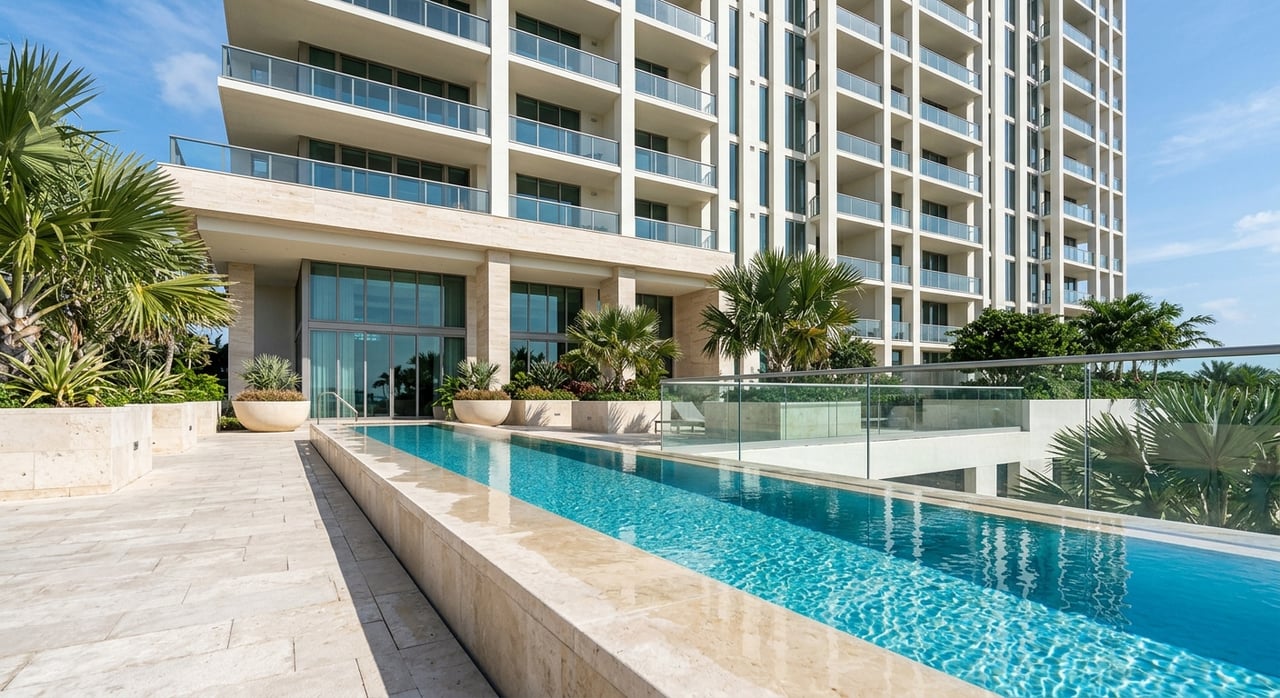
- Mix of luxury single‑family homes and high‑rise condos.
- Expect higher maintenance and insurance, plus more storm and flood exposure.
Inland family areas west of I‑95
- Suburban feel with larger lots and community amenities.
- Many single‑family homes and newer developments, often with pools and playgrounds.
- Popular with buyers seeking more space and privacy.
Gated, golf, and age‑restricted communities
- Amenities can include golf, clubhouses, and security features.
- Options appeal to a range of buyers, from downsizers to families who want services and privacy.
Nearby options: Boca Raton and Boynton Beach
- Neighborhoods in adjacent cities influence commuting, shopping, and school choices. Many buyers consider these areas alongside Delray for more options and varied price points.
Condo vs single‑family: how to choose
Your lifestyle and maintenance preferences should guide your choice.
Condos
Pros:
- Lower exterior maintenance, with landscaping and common areas handled by the association.
- Walkable living is possible in downtown locations.
- Amenities like gyms, security, and community rooms.
- Often a lower entry price than a similarly located single‑family home.
Considerations:
- HOA fees can be substantial and may rise over time.
- Rental and resale rules vary by association. Short‑term rentals may be limited.
- Special assessments can occur. Review association financials and reserves.
- Insurance is split between the master policy and your HO‑6 policy. Verify what the master covers.
Single‑family homes
Pros:
- More privacy, outdoor space, and control over renovations.
- Fewer association rules if not in an HOA community.
- Often preferred by buyers who want yards and pools.
Considerations:
- More maintenance responsibility for roof, landscaping, and pool.
- Higher purchase prices in coastal zones.
- Insurance needs often include wind or hurricane coverage and possibly flood insurance.
Buyer due diligence checklist
For condos:
- Review HOA financials, reserve studies, meeting minutes, and litigation disclosures.
- Confirm rental rules and any recent or pending special assessments.
- Understand the master policy, unit coverage, and any gaps.
For single‑family homes:
- Check roof age, HVAC, and obtain a termite or WDI inspection.
- Confirm sewer versus septic and request an elevation certificate if relevant.
- Ask about hurricane features like shutters, impact glass, and generator setups.
Your step‑by‑step relocation timeline
A clear plan reduces stress. Use this phased checklist and adjust to your closing date.
4 to 6 months out: plan and decide
- Neighborhood orientation with virtual tours, drive‑through videos, and guided Zoom sessions.
- Affordability review and mortgage pre‑approval with Florida lenders.
- If selling in NYC, coordinate staging, photos, and timing. Consider rent‑back or short‑term housing if needed.
1 to 3 months out: book logistics
- Secure multiple long‑distance moving quotes and confirm dates.
- Arrange auto transport or plan the drive.
- Reserve temporary housing if closing and move‑in dates do not align.
- Begin school enrollment with the Palm Beach County School District. Gather proof of residency, immunization records, and prior report cards.
- Transfer medical records and select local providers. Identify pediatricians and specialists.
- Set utility start dates for electricity, water, internet, cable, and trash services. Provider availability varies by neighborhood.
- Schedule inspections: general home, termite or WDI, and wind mitigation. Obtain homeowners and optional flood insurance quotes.
- Coordinate with your title company or closing attorney and lender. Set up remote signing if needed.
2 to 4 weeks out: prepare and pack
- Confirm full‑service packing and specialty movers for items like artwork or pianos.
- Arrange pet transport, update vaccinations, and select a local vet.
- Plan DMV steps for Florida license and vehicle registration soon after residency is established. Time frames can vary, so check current state rules.
- Set mail forwarding. Update professional licenses and voter registration as needed.
Move week and after: settle in
- Schedule furniture assembly, pool service, lawn care, pest control, and security systems.
- Book an orientation day to learn neighborhood amenities and meet key service providers.
- If the home will be your primary residence, apply for the Palm Beach County homestead exemption and review the Save Our Homes cap.
- Begin hurricane preparation. Review shutter operation or impact systems and set up your supply kit.
What the Tinka Ellington Group coordinates
A concierge approach turns a complex move into a clear plan. The Tinka Ellington Group offers white‑glove coordination across key services:
- Real estate search and tours: tailored listings, virtual and in‑person showings, and access to select opportunities.
- Moving vendor management: vetted long‑distance movers, storage, and specialty services.
- Temporary housing sourcing: short‑term furnished rentals or corporate housing.
- Home services setup: utilities, cable and internet, security, pool, and landscaping vendors.
- Insurance and inspections: introductions to inspectors and insurance brokers for home, wind, and flood.
- School and childcare coordination: checklists, appointment scheduling, and introductions.
- Vehicle and pet logistics: auto shipping and pet relocation options.
- Closing logistics: remote signings, notaries, and wire coordination.
- Post‑move orientation: handyman introductions, trusted trades, and seasonal maintenance guidance, including hurricane prep.
Ask for a written scope and fee estimate so expectations are clear and aligned with your needs.
Financial and insurance essentials
Florida does not levy a state personal income tax. Property taxes are assessed by Palm Beach County and local municipalities. If the home is your primary residence, the homestead exemption can reduce your assessed value and taxes, and the Save Our Homes cap can limit assessment increases from year to year.
Coastal buyers often need hurricane or wind coverage, and many properties fall within FEMA flood zones where flood insurance can be required for federally backed loans. Premiums depend on elevation and risk. Obtain multiple quotes, review wind and hurricane deductibles, and ask about mitigation credits, such as impact windows and a favorable wind mitigation report.
Hurricane prep and risk management
Storm readiness is part of coastal living. Plan ahead so you are secure during hurricane season.
- Ask for an elevation certificate if applicable and understand local flood risk.
- Evaluate impact windows, shutters, roof condition, and generator options.
- Map evacuation routes and assemble a supply kit before peak months.
- Keep insurance documents and key contacts easy to access.
Schools and family logistics
The Palm Beach County School District manages enrollment, boundaries, and documentation. Start early and verify all requirements directly with the district and the specific school. The area also offers private school options in Delray Beach and nearby cities.
For childcare and early learning, demand and waitlists vary. Begin research well in advance if you need continuity from day one.
Documents to gather before you move
- Purchase, sale, and closing documents
- Florida mortgage pre‑approval and funds verification
- HOA or condo documents, plus association disclosures
- Home inspection reports and insurance quotes
- Elevation certificate if relevant
- School enrollment records and immunization forms
- Medical and dental records
- Vehicle title, registration, and insurance
- Pet vaccination records and travel certificates
- USPS change of address confirmations and voter registration updates
Make your Delray move smooth and stress‑light
With the right plan and local support, your move from NYC to Delray Beach can be efficient and enjoyable. If you want a single point of contact to manage vendors, timelines, and closing details, the Tinka Ellington Group is ready to help. Request a Private Consultation, and we will design a plan that fits your timing, budget, and lifestyle goals.
FAQs
Is Delray Beach a good fit for NYC families?
- Yes, you can choose from walkable downtown settings or larger single‑family homes in suburban neighborhoods, and you should verify school options directly with the district.
When is the best month to move to avoid storms?
- Aim for outside the August to October peak of hurricane season, and consider late spring or early summer for better flexibility.
Should I buy a condo or a single‑family home in Delray?
- Choose a condo for lower exterior maintenance and walkability, or a single‑family home for space and privacy, and always review HOA rules and insurance needs.
How long is the flight from NYC and which airport is best?
- Nonstop flights take about 2.5 to 3 hours, with PBI closest to Delray Beach and FLL and MIA providing more route options.
Can I manage a Delray relocation remotely?
- Yes, with virtual tours, remote closings, and coordinated vendors, and a local concierge team is key for inspections and on‑site trust.
What insurance do I need near the coast?
- Expect homeowners coverage with wind or hurricane protection and consider flood insurance based on zone and lender requirements, with premiums tied to elevation and risk.
How do Florida property taxes and homestead benefits work?
- You apply for a homestead exemption on a primary residence to reduce assessed value, and the Save Our Homes cap can limit future assessment increases.