If boating is part of your lifestyle, you want a home base that makes getting on the water simple, not stressful. In Boca Raton, that often means pairing your residence with reliable slip access, protected ICW cruising, and practical hurricane plans. In this guide, you will learn the main community models that offer marina access, what to verify before you commit, and realistic pathways to a turn-key setup that matches how you boat. Let’s dive in.
Why Boca Raton works for boaters
Boca Raton sits on the Atlantic and the Intracoastal Waterway, so you can enjoy protected ICW cruising and reach the ocean through nearby inlets. The location places you within easy runs of West Palm Beach, Delray Beach, Fort Lauderdale, and other South Florida destinations for day trips or overnight cruises.
You will want to plan around hurricane season from June through November. Marinas and dock owners follow storm-prep policies, and many require owners to secure vessels or arrange haul-out. The warm, maritime climate is a dream for year-round boating, yet it increases maintenance needs like antifouling and corrosion checks.
Local permitting and marine rules are part of the picture. Dock work, seawall repair, and some marina modifications typically require approvals from state and federal agencies, as well as city and county departments. Florida rules also set standards for boat registration and required safety equipment.
What marina-access living looks like
Different community models suit different boats and boating styles. Here is how they compare.
Private yacht clubs
Membership-based clubs and resort marinas combine social amenities with slip access and services.
- Pros: Full-service support, fuel and maintenance on site, active boating community.
- Cons: Initiation fees and dues, slip access often tied to membership, waitlists.
Waterfront single-family homes
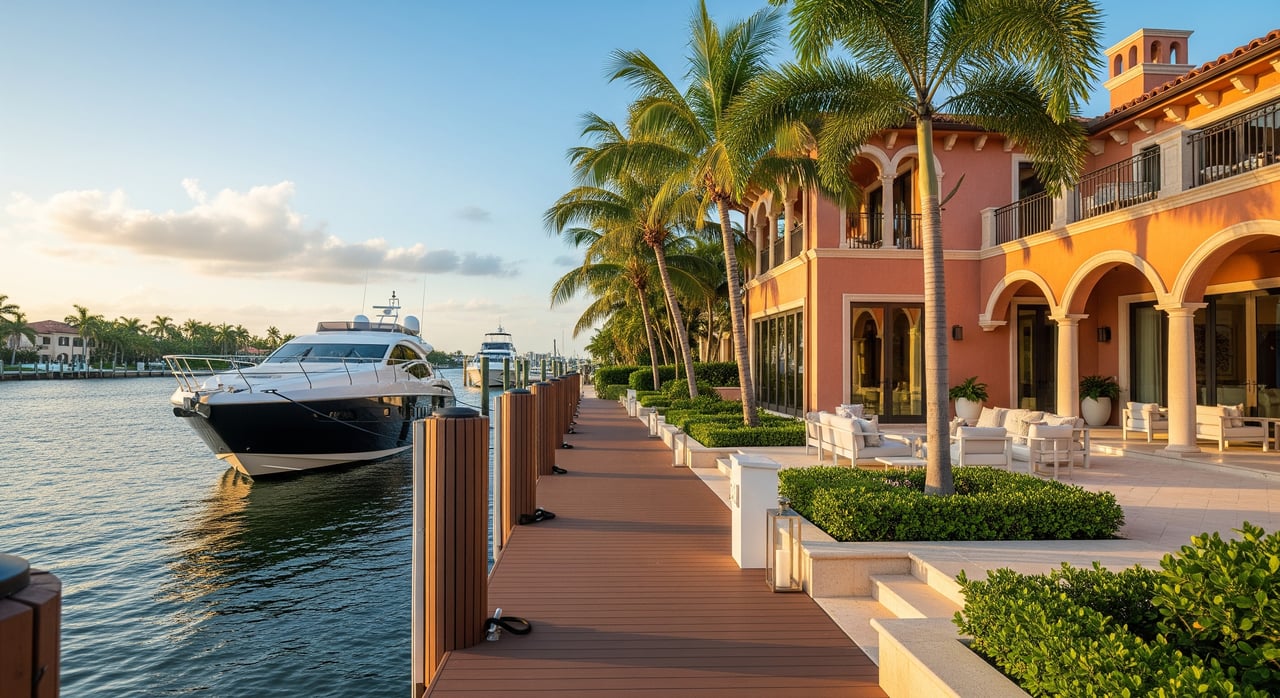
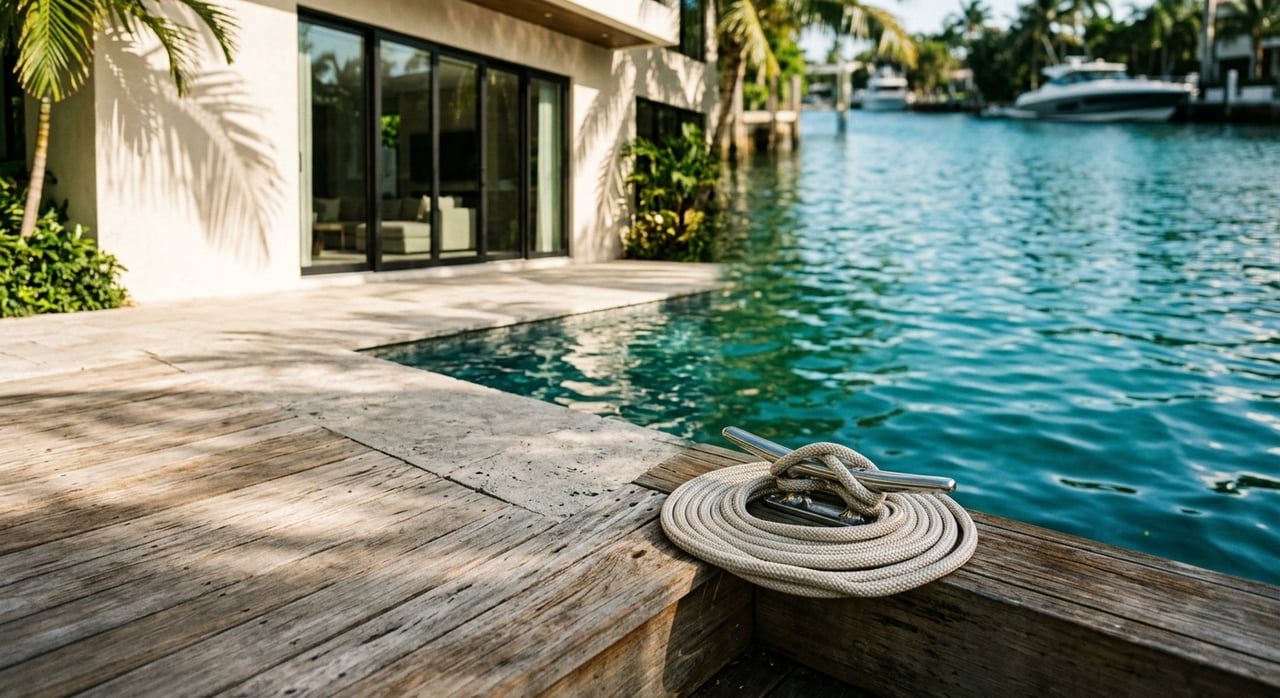
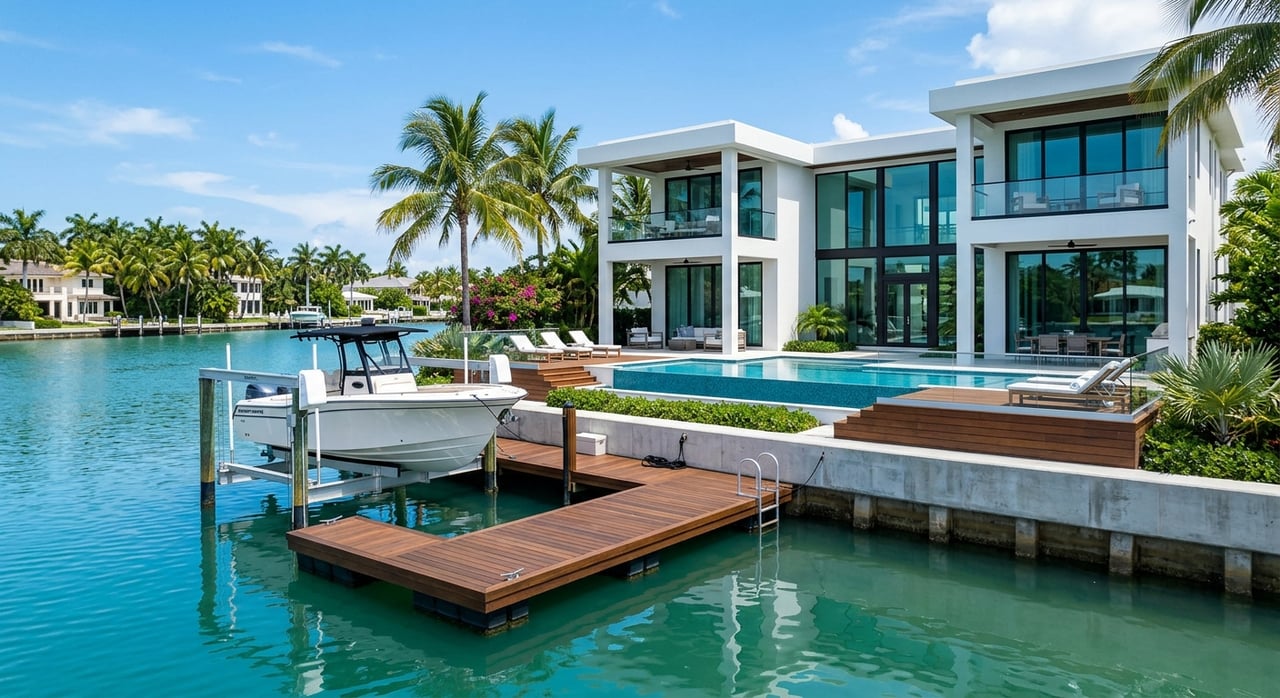
Homes along canals or the ICW may include private docks, subject to local rules and any HOA guidelines.
- Pros: Maximum convenience and privacy, control over your dock, easy turn-key use.
- Cons: Higher property cost, owner is responsible for dock, pilings, and seawall maintenance, size and draft limits vary by lot and permits.
Condominiums with slips
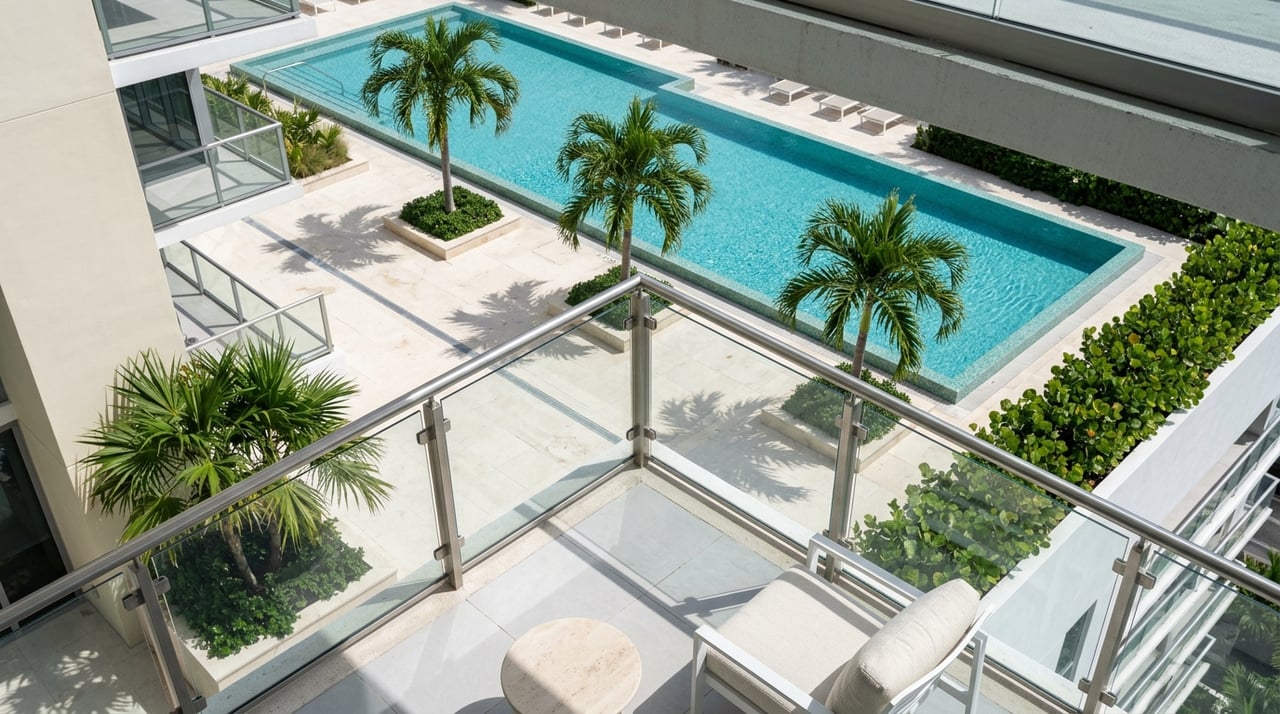
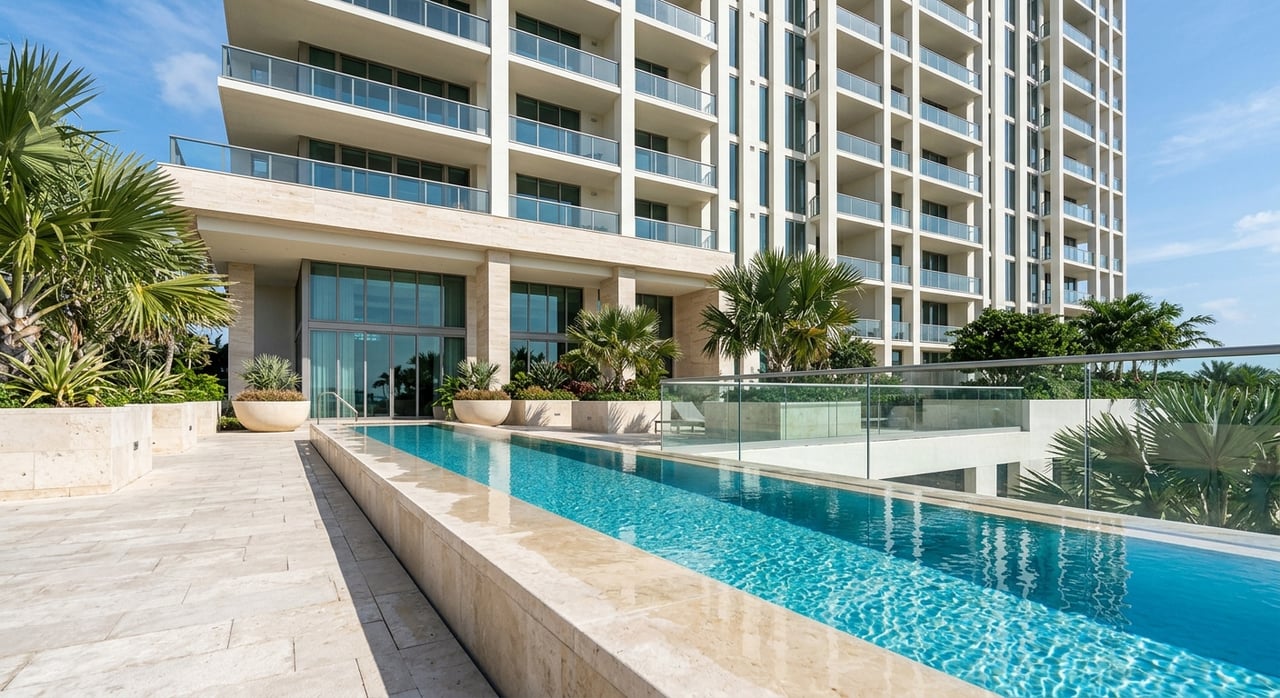
Many waterfront condos offer community docks with slips that can be deeded, assigned, or leased to residents.
- Pros: Low-maintenance lifestyle, association manages dock infrastructure, convenient for lock-and-leave owners.
- Cons: Limited availability and possible waitlists, HOA rules on boat size and use, leased slips may not transfer on resale.
Commercial and municipal marinas
You can rent seasonal, monthly, or nightly slips, with options for dry storage, fuel, repairs, and chandlery.
- Pros: Professional management and services, flexibility to rent instead of own, good for trial periods.
- Cons: Ongoing fees, seasonal demand, less private than a home dock.
Dry stack storage
Boats are stored on racks and launched by staff on request, usually for smaller to mid-size boats.
- Pros: Lower corrosion risk, quick launch service, easier hurricane prep.
- Cons: Size limits, launch schedules, less spontaneous than having a boat at your dock.
Moorings and anchorages
Mooring fields are less common along dense ICW corridors but can work in specific zones.
- Pros: Often lower cost than wet slips.
- Cons: Limited services, more exposure to weather, not a turn-key experience.
What to check before you commit
Use this checklist to confirm that a property or membership truly supports your boating goals.
- Ownership type: Is the slip deeded, leased, or assigned by the HOA? Deeded rights are most secure for long-term ownership and resale. Leases are time-limited and may not renew. Assigned slips can change if rules or occupancy changes.
- Size and depth: Confirm slip length overall, beam, and draft at mean low water. Check turning room and any bridge or underpass clearances along your route.
- Water depth and shoaling: Request recent sonar, surveys, or depth charts. Ask about dredge schedules and seasonal changes.
- Rules and use: Verify live-aboard restrictions, guest dockage policies, and any limits on boat type or engines.
- Fees and utilities: Review initiation or transfer fees, monthly or seasonal slip rent, and charges for electric, water, fuel, Wi‑Fi, and pump-out.
- Insurance requirements: Many marinas and HOAs require liability coverage and may require hull insurance. Confirm limits and named insureds.
- Dock and seawall condition: Inspect pilings, fendering, shore power, and the seawall. Clarify who maintains and pays for repairs.
- Hurricane plan: Understand pre-storm procedures, haul-out availability, and costs. Ask about historical storm performance.
- Waitlists and priority: Large or deep-water slips are in high demand. Check how long the wait is and whether owners or residents get priority.
- Permitting history: Review local permitting for docks and seawalls. Some repairs can trigger updated compliance requirements.
Turn-key pathways that work
There is more than one way to have your boat ready the day you arrive. Choose the path that fits your vessel and how you plan to use it.
Buy a home with a dock
If you boat often or own a larger vessel, a waterfront single-family home with a private dock offers peak convenience.
- Essentials: Confirm deeded dock rights, dock and pile condition, depth, LOA limits, permit history, and seawall integrity.
Buy a condo with a slip
This option combines low-maintenance living with dockage managed by the association.
- Essentials: Verify whether the slip is deeded or leased, how it transfers on resale, size limits, and guest policies.
Join a yacht club
Club membership can unlock slips and full-service support for maintenance and cruising.
- Essentials: Ask about initiation fees and dues, slip availability for members, and whether a slip is guaranteed or waitlisted.
Rent a marina slip
Renting offers flexibility and avoids the capital cost of waterfront property.
- Essentials: Compare monthly versus seasonal rates, reservation rules, services on site, and proximity to your preferred routes.
Choose dry stack storage
For smaller boats, dry stack can be a turn-key, low-maintenance solution.
- Essentials: Confirm size limits, launch times, and hurricane-season procedures.
Try a hybrid setup
Own a condo and rent a seasonal slip, or combine a club membership with occasional ocean runs.
- Benefit: Lower capital outlay while maintaining practical access to the water.
Budget and availability realities
Slip pricing in South Florida varies by location, amenities, and vessel size. As a general regional guide, wet slip rates range widely, from lower-cost options to premium facilities that can reach several tens of dollars per foot per month. Dry stack often costs less, but storage limits size and weight. Always verify current rates with the specific marina or association.
Expect waitlists for deep-water and large-vessel slips, especially during peak season. If you are purchasing real estate that depends on a specific slip, confirm availability in writing and review all governing documents and agreements before you finalize a contract.
Hurricane readiness and insurance
Ask each marina, HOA, or club about storm protocols, including whether relocation or haul-out is required before a named storm. Confirm what is available on site versus what you must arrange independently. If haul-out is not guaranteed, explore backup boatyards in nearby cities that can handle your vessel’s size and draft.
Insurance requirements often include liability coverage and may specify minimum limits. Check whether your policy aligns with slip agreements and any HOA covenants. For used boats, a marine survey can help you validate condition, value, and safety, and it can support insurance underwriting.
Where to find services and support
- Municipal marinas: City-managed facilities in and around Boca Raton can offer public slips and transient dockage. Contact the city marina office for current rules and availability.
- Commercial marinas and boatyards: Nearby Delray Beach, Deerfield Beach, and West Palm Beach provide full-service options, haul-out capacity, and dry-stack storage.
- Yacht clubs and resort marinas: Established clubs pair dockage with a social boating community and concierge-style services for members.
- Professional resources: Marine surveyors, marine insurance agents, dock contractors, ABYC-certified electricians, and maritime attorneys are valuable partners, especially when evaluating dock structures and slip agreements.
- Regulatory and safety: Florida Fish and Wildlife sets state registration and safety rules, and NOAA and the U.S. Coast Guard provide charts and navigation notices. For dock work, permits typically involve local city and county departments, Florida DEP, and the U.S. Army Corps of Engineers.
How Tinka Ellington Group helps
When waterfront access is part of the brief, you need a real estate partner who understands dock rights, HOA rules, and the practicalities of life on the ICW. The Tinka Ellington Group focuses on luxury waterfront homes and high-end condominiums throughout the Boca Raton corridor, with a concierge approach that helps you verify slip rights, coordinate inspections, and navigate association and permitting documents with confidence.
From previewing properties that match your vessel’s size and draft to introducing you to appropriate marina and club options, the team streamlines decisions so you can step aboard sooner. If you are relocating or purchasing a second home, they work to minimize friction by coordinating the details from contract to close.
Ready to find the right marina-access home base in Boca Raton? Request a Private Consultation with the Tinka Ellington Group.
FAQs
What does deeded vs leased slip mean for resale?
- A deeded slip typically transfers with the property and is the most secure for long-term value, while a leased slip is time-limited and may not renew, which can affect resale.
How do I confirm my boat fits a Boca slip?
- Measure your boat’s length overall, beam, and draft, then verify slip dimensions, depth at mean low water, turning room, and any bridge clearances along your route.
What slip fees should I expect in South Florida?
- Fees vary by location and amenities, but regional wet-slip costs can range widely and premium facilities may charge several tens of dollars per foot per month, plus utilities and assessments.
Are live-aboards allowed in Boca Raton communities?
- Many HOAs and marinas restrict or prohibit live-aboards. Review governing documents and slip agreements to confirm rules before you commit.
How do hurricane plans work at marinas and HOAs?
- Policies outline pre-storm procedures, haul-out requirements, and timelines. Ask about on-site capacity, costs, and backup options if haul-out is not guaranteed.
Who maintains the dock and seawall at a waterfront home?
- Owners are typically responsible for private dock and seawall maintenance, while condo associations usually manage common docks. Confirm responsibilities in the governing documents.
How long are slip waitlists in Boca Raton?
- Demand for deep-water and large-vessel slips can be high, so waitlists are common. Always verify current wait times and any priority rules for owners, residents, or members.
What inspections should I do before closing on a dock property?
- Obtain a marine survey for the boat if applicable, and a written condition report for the dock, pilings, electrical systems, and seawall. Review permits and association rules to confirm compliance.