Thinking about when to list or buy in Boca Raton’s luxury market? In South Florida, the calendar matters as much as the property. If you time your move with the region’s high season, you can often unlock more showings, stronger offers, and smoother negotiations. This guide shows you how Boca’s seasonal rhythm works, what it means for different property types, and practical steps you can take to make the most of it. Let’s dive in.
What “luxury” means in Boca Raton
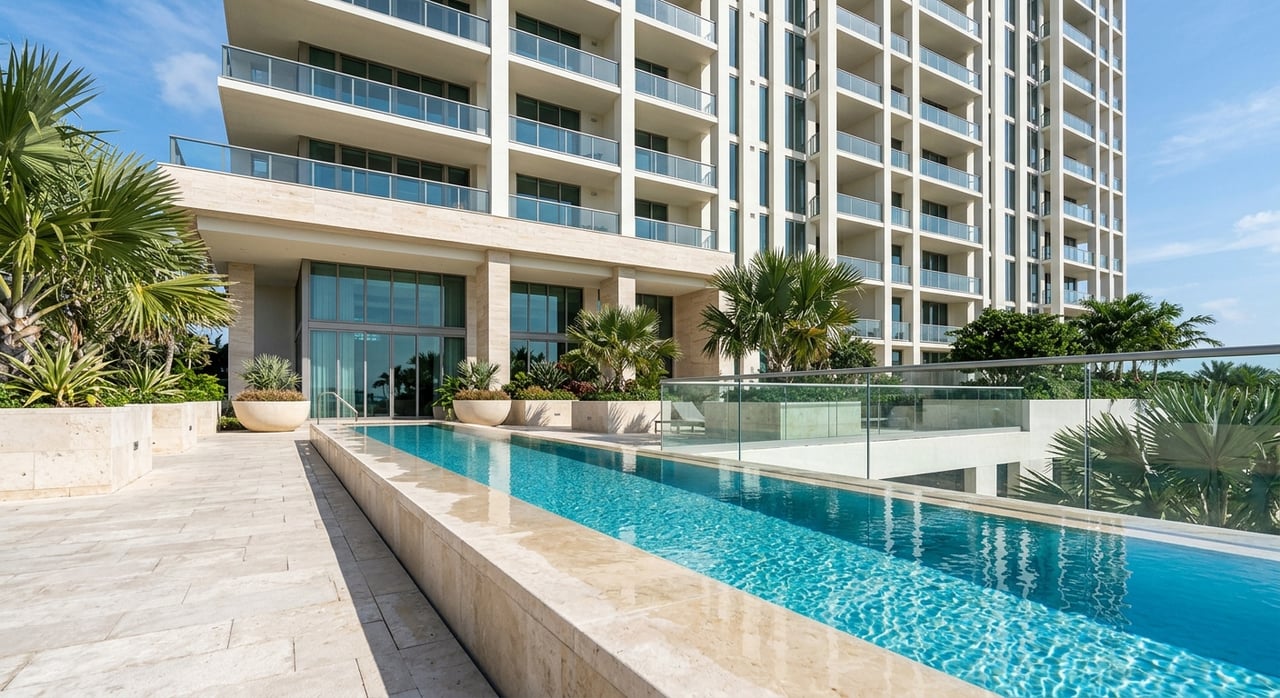
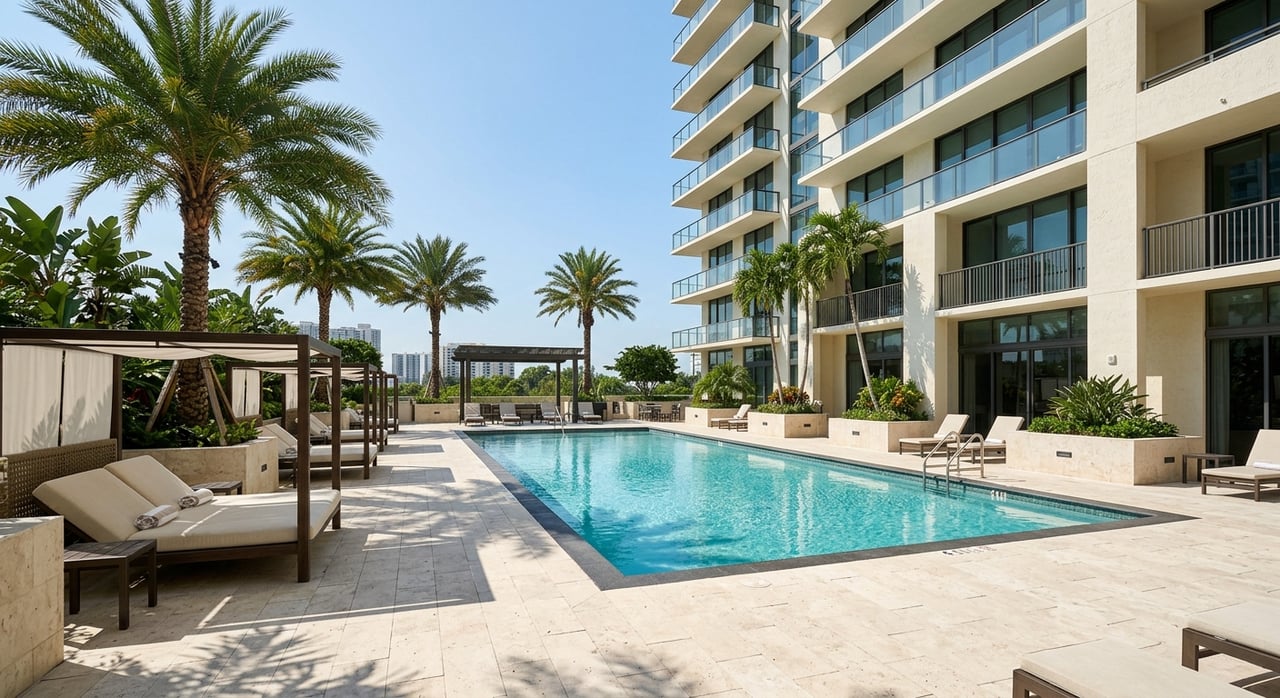
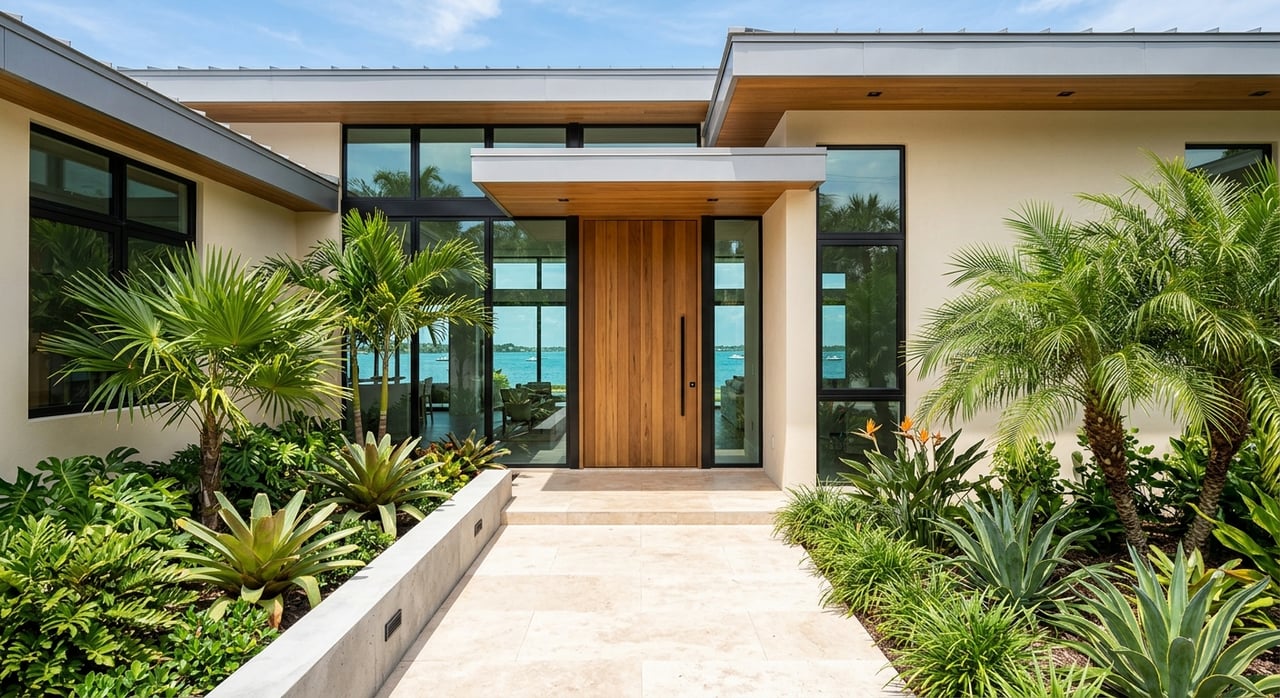
In Boca Raton and greater Palm Beach County, luxury typically refers to the top slice of the market. For this guide, consider luxury as homes and condos priced at $1.5 million and above or roughly the top 10 percent of closed sales in Palm Beach County, following local MLS conventions. You see this tier across waterfront estates, Intracoastal and oceanfront condos, and residences in private club communities.
Using a clear definition helps you compare apples to apples and set realistic expectations for pricing, marketing, and timing.
Boca luxury’s seasonal calendar
Seasonality in Boca is shaped by migrating seasonal residents, winter weather appeal, and a social calendar that draws affluent buyers from November through spring. Here is the pattern you can expect most years.
Peak season: late November through March
Buyer traffic builds after Thanksgiving and is strongest from January to March. Seasonal residents are in town, open houses are well attended, and private showings increase for high-end homes and condos. This is when you often see the most competition for standout listings.
Shoulder months: April to May and October to early November
Activity moderates as seasonal residents depart in late spring and return in fall. April and May can still produce solid outcomes, especially for properties that show well with bright spring light. October and early November favor sellers who want to be first to the party before peak season crowds.
Summer slow season: June through September
Summer brings fewer showings as many part-time residents travel and hurricane season begins. Days on market often lengthen, and negotiations may include more buyer requests or concessions. The upside for buyers is more room to negotiate. The upside for sellers is less competition if your home is truly unique.
How seasonality shows up in the data
While numbers change each year, the patterns are consistent across Boca Raton and the West Palm Beach, Boca Raton, and Delray Beach metro area:
- Showings per listing are highest in peak months and lowest in summer.
- Days on market tend to shorten in winter and stretch in summer, especially for top-tier properties where buyers act quickly while in town.
- List-to-sale price ratios often improve in peak season when demand is concentrated.
- New listings cluster before and during peak season as sellers try to capture winter traffic.
- Closing timelines can stretch during busy months and may face weather-related delays during hurricane season.
Because the luxury segment has fewer sales, single-month shifts can look dramatic. Focus on multi-month trends and seasonal averages, not one-off spikes.
What it means for different property types
Waterfront estates and gated communities
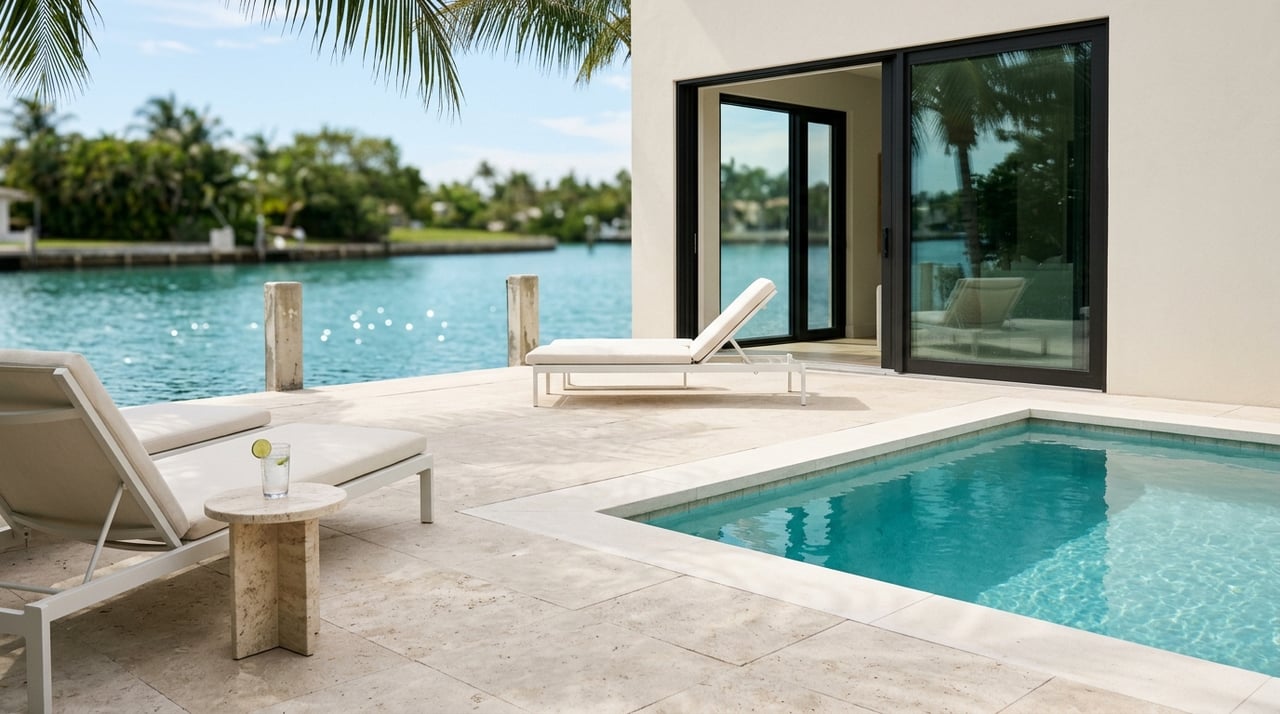
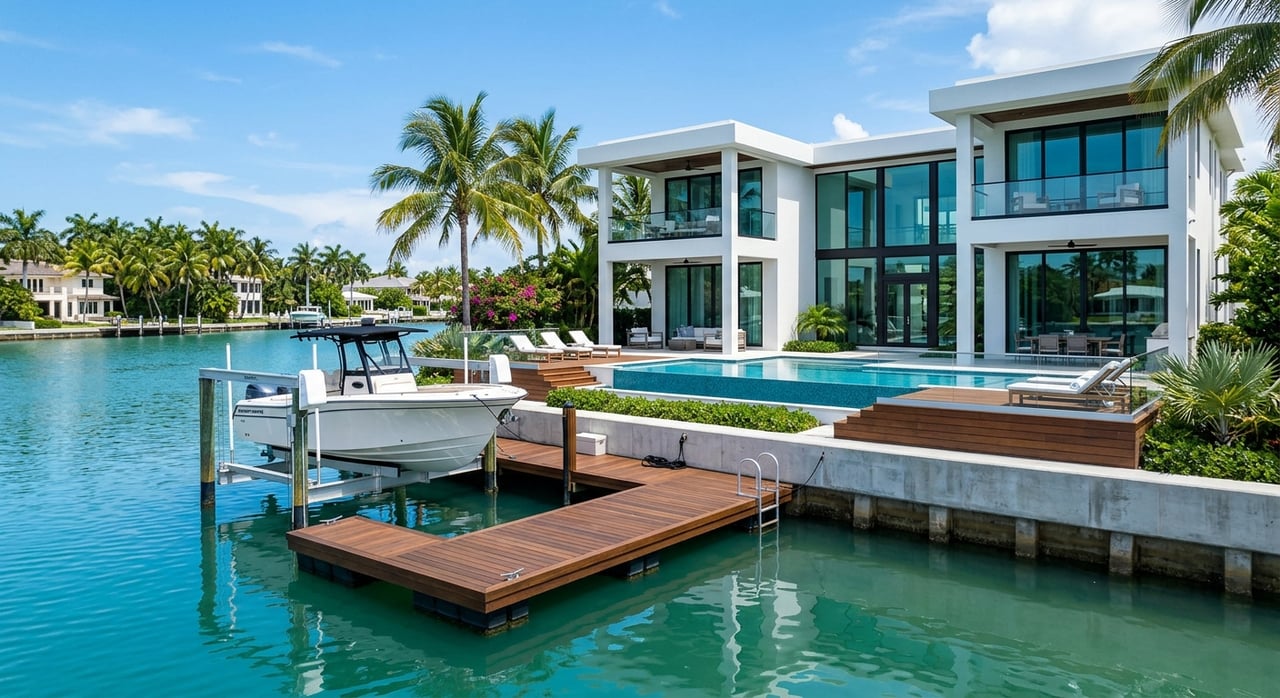
High season brings more qualified buyers seeking primary or second homes. Private showings and curated tours are common from January to March. Off-season opportunities can exist, but sellers may take longer to adjust pricing, and logistics like maintenance or storm prep can affect access and timing.
Luxury condos and high-rises
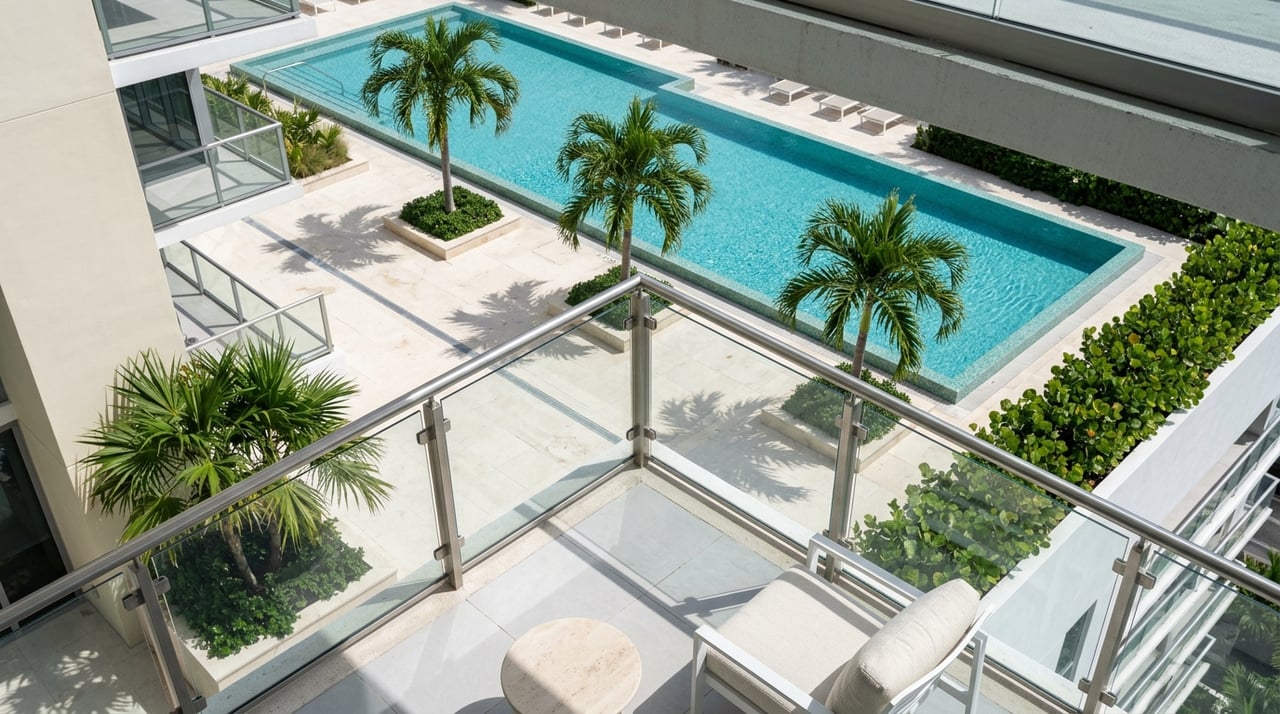
Condos feel seasonality more sharply because many units are occupied part-time. Showings surge when owners and tenants are in residence. Association rules about rentals or guest policies can shape demand and timing, so plan for extra lead time to review documents and schedule board interviews.
Golf and club community homes
Winter social calendars, tournaments, and member events draw prospects who want to experience the lifestyle firsthand. If you are buying, visit when the club is active. If you are selling, align marketing with club calendars to capture attention when amenities are on display.
Timing strategies for sellers
If you want top-dollar and faster momentum, align your launch with peak visibility.
- Aim for high-season exposure. Listing between November and January can position you for heavy winter traffic.
- Prepare early. Start in late summer or early fall so you can debut with best-in-class presentation.
- Price to the moment. In slower months, be surgical with pricing to avoid extended days on market. In peak months, use recent comparables to justify a premium when the market supports it.
- Showcase access and lifestyle. For condos, coordinate with building management and clarify association policies up front. For waterfront estates, highlight boating access, dockage, and privacy.
- Expand your reach. Target seasonal buyer networks and relocation channels so your listing is in front of snowbirds when they plan their visits.
Seller prep checklist for a January launch:
- August to September: Pre-inspection, vendor scheduling, and repairs.
- September to October: Decluttering, light updates, and professional staging.
- October: Book premium photography, video, and twilight shoots.
- Late October to November: Final pricing review and pre-market outreach.
- November to January: Go live and execute a tight showing strategy.
Timing strategies for buyers
Your best window depends on whether you value selection or leverage.
- Shop in peak months for selection. You see more listings and properties as they live during the social season. Expect more competition and faster timelines.
- Shop off season for leverage. Summer can offer more negotiating power and longer inspection windows. Verify maintenance and any storm-related updates on homes that sat vacant.
- Tour with intent. Plan visits around community events and weekends when amenities are active so you can assess true lifestyle fit.
- Plan for logistics. Appraisers, inspectors, and closing professionals can book up during peak months. In storm season, build in flexibility for insurance, inspections, and repairs.
- For cash buyers, offer faster closes in slower months to win favorable terms.
A simple month-by-month playbook
- October to early November: Smart time to list before peak traffic. Buyers can preview without the crowds.
- Late November to December: Momentum builds. Holiday travel brings high-net-worth visitors with time to tour.
- January to March: Peak velocity. Expect more showings and quicker decision cycles for standout homes.
- April to May: Solid shoulder season. Good for buyers who want less competition and for sellers who missed winter but still want motivated traffic.
- June to September: Quiet stretch. Buyers gain leverage and time. Sellers with unique assets can benefit from lower competition if pricing aligns with the season.
Metrics to watch with your advisor
Track these indicators monthly so your strategy fits the market’s pulse:
- Showings per listing for the luxury tier
- Median days to contract and total days on market
- New listings and active inventory for $1.5 million and above
- List-to-sale price ratio and percent of sales above list
- Buyer origin patterns and local tourism trends during November to April
A focused dashboard keeps you ahead of pivots and helps you act with confidence when the right opportunity appears.
Work with a team that knows the season
Seasonality can work for you when your plan, presentation, and timing align. Whether you are positioning a waterfront estate for a January launch or targeting a summer purchase to maximize leverage, you deserve advice tailored to Boca’s luxury cadence and your goals.
If you are ready to talk strategy, request a private consultation with the Tinka Ellington Group. Our boutique team pairs white-glove service with a marketing-first approach and deep coastal expertise so you can move on your timeline with clarity and confidence.
FAQs
In Boca Raton’s luxury market, when is the best month to list?
- Sellers who want maximum exposure often target November to January to capture peak buyer traffic from winter visitors.
How much faster do Boca luxury homes sell in winter?
- Days on market often shorten in peak months due to concentrated showings, though results vary by property type, price, and presentation.
Do prices usually rise in winter because of snowbirds?
- List-to-sale price ratios often improve in high season when demand is concentrated, but pricing still depends on condition, uniqueness, and comps.
Is summer a good time to buy a Boca luxury home or condo?
- Summer can offer more negotiating power and time for due diligence, especially if a listing has been on the market longer.
How does hurricane season affect luxury closings in Boca?
- Inspections, insurance binders, and repairs can take longer, so build in extra time and keep flexibility around weather events.
How do condo association rules affect timing for luxury sales?
- Rental policies, approval processes, and seasonal occupancy can influence buyer demand and closing timelines, so review documents early.